
10 Lessons from 10 Years of Leading Photography Workshops
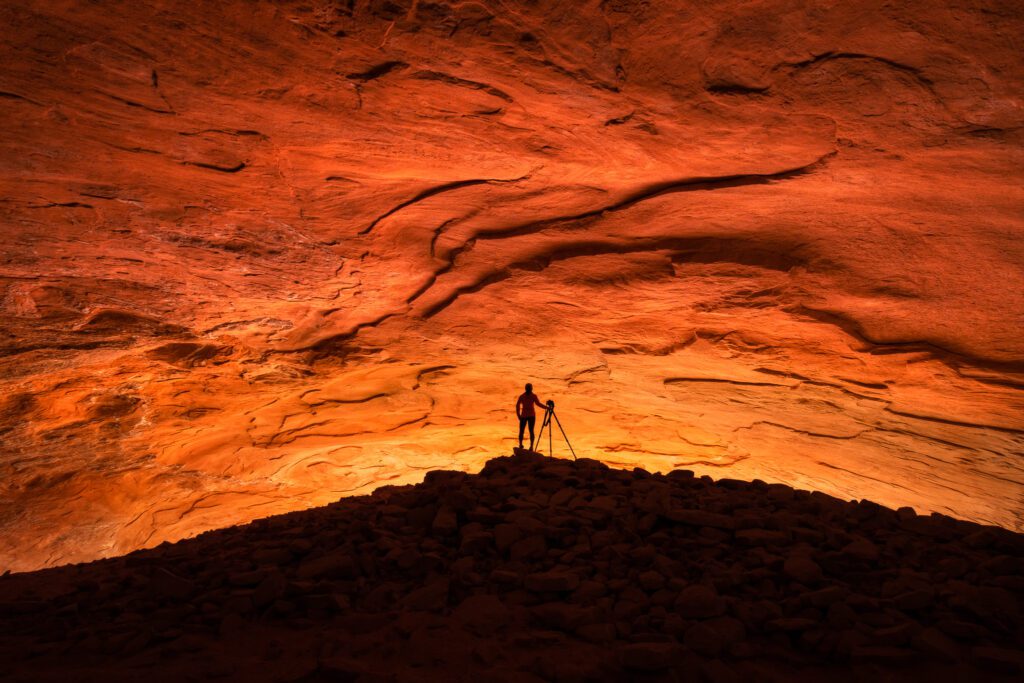
After more than a decade of leading workshops, I’ve seen what truly helps photographers grow. It’s rarely expensive gear or technical tricks. Growth comes from mindset, consistency, and curiosity. These are the ten lessons that have helped my clients progress the most—and the ones that continue to shape my own photography today.
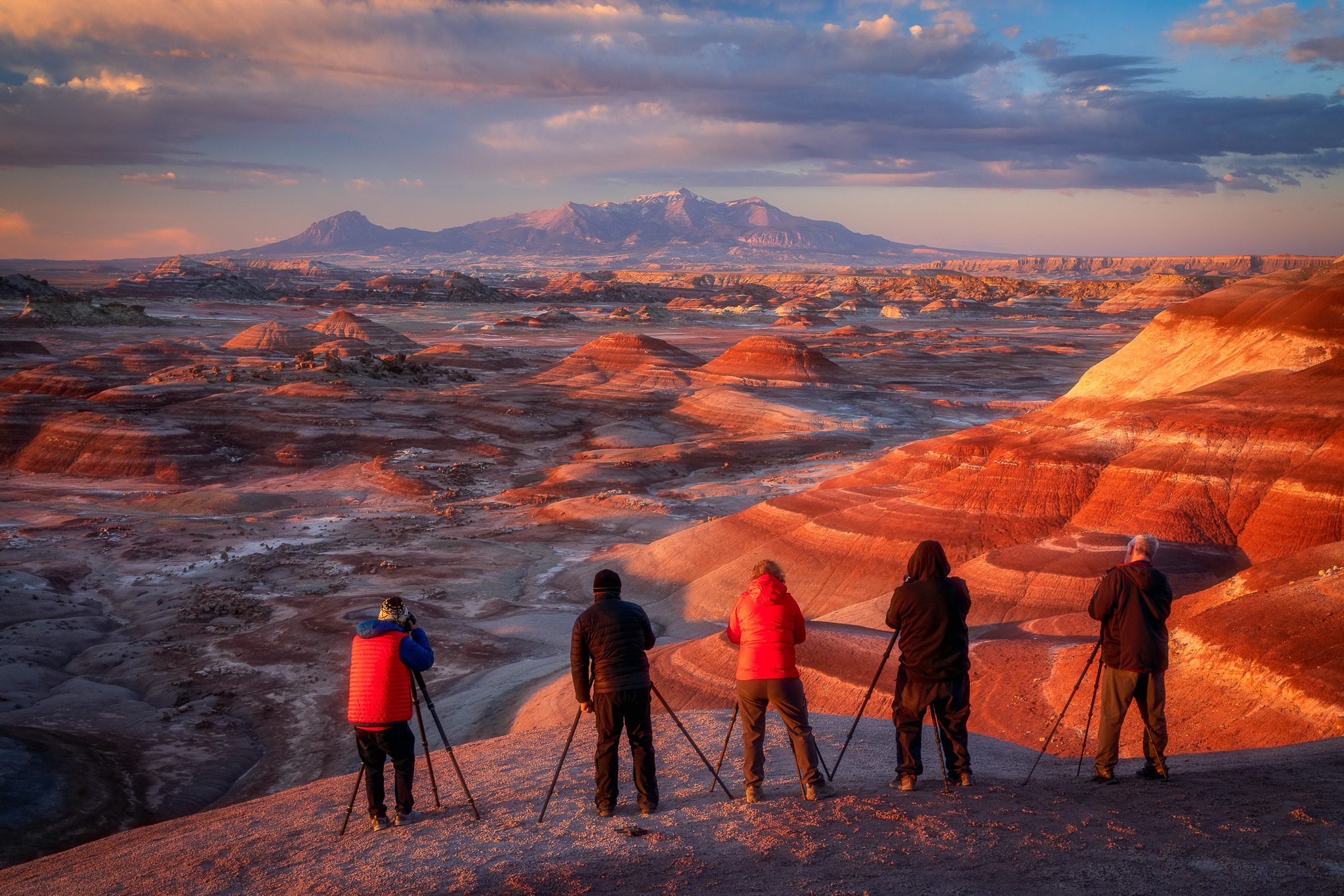
1. Be a Lifelong Beginner
Experience is valuable—but curiosity is priceless. The best photographers never lose their curiosity. Beginners notice details, ask questions, and experiment without fear of failure. Over time, experience can make us cautious—stuck in routine and convinced we already know what works best. When that happens, experimentation stops, and our portfolios start to look the same. Stay curious, explore new locations, and try new genres of photography. That mindset keeps your creativity alive.
2. Change Your Perspective
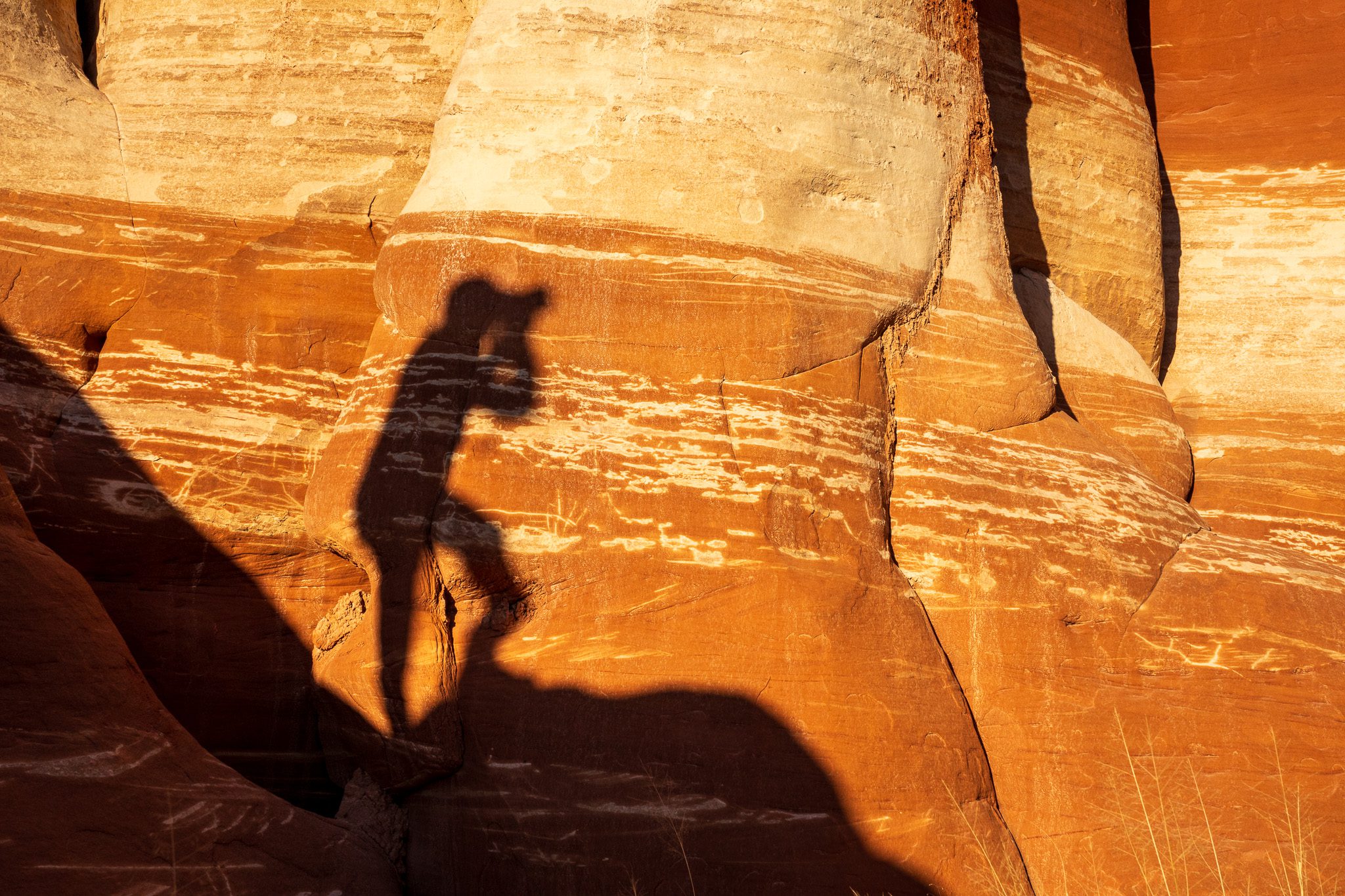
Most people photograph the world from eye level—but that’s rarely the most interesting viewpoint. From my experience, the tripod is often the biggest culprit. Too many photographers plop it down without really considering their composition. My advice: get that camera off the tripod and start exploring. Look through the lens, get low, climb high, or shift to the side. Every small change reveals something new. Once you’ve found your perfect angle, then set up the tripod. Sometimes, it pays to look beyond the obvious subject—like capturing your own shadow on a canyon wall instead of the canyon itself. Challenge yourself to shoot something different, to see familiar places in unfamiliar ways.
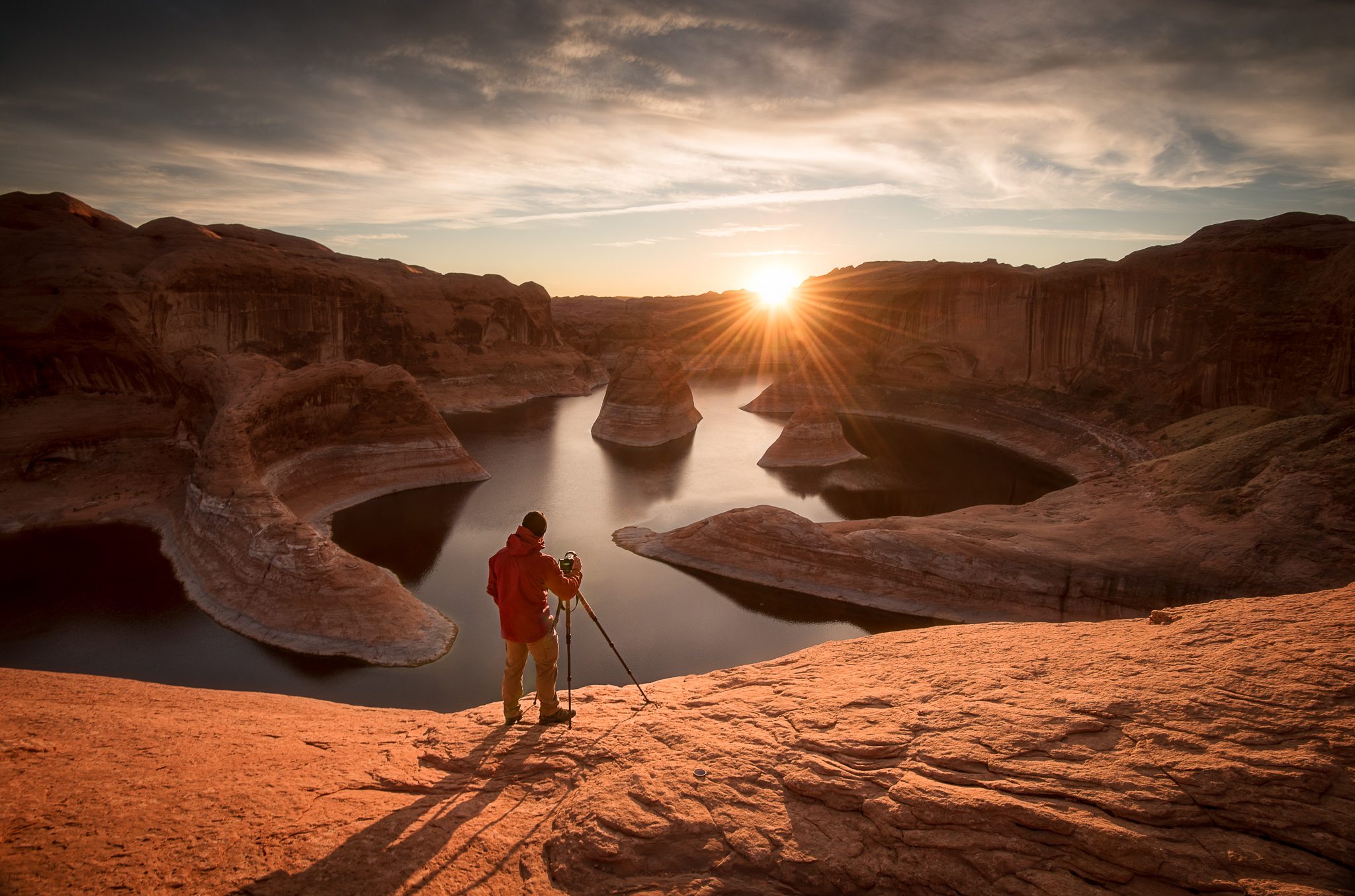
3. Let Your Style Find You
Your creative style develops naturally through practice. The more you shoot and edit, the more you’ll notice patterns in what draws your eye. Don’t rush to define your “look,” and definitely don’t chase trends. Your style will evolve over time through repetition and refinement. Consistency—not imitation—is what builds artistic identity.
4. Tell the Whole Story
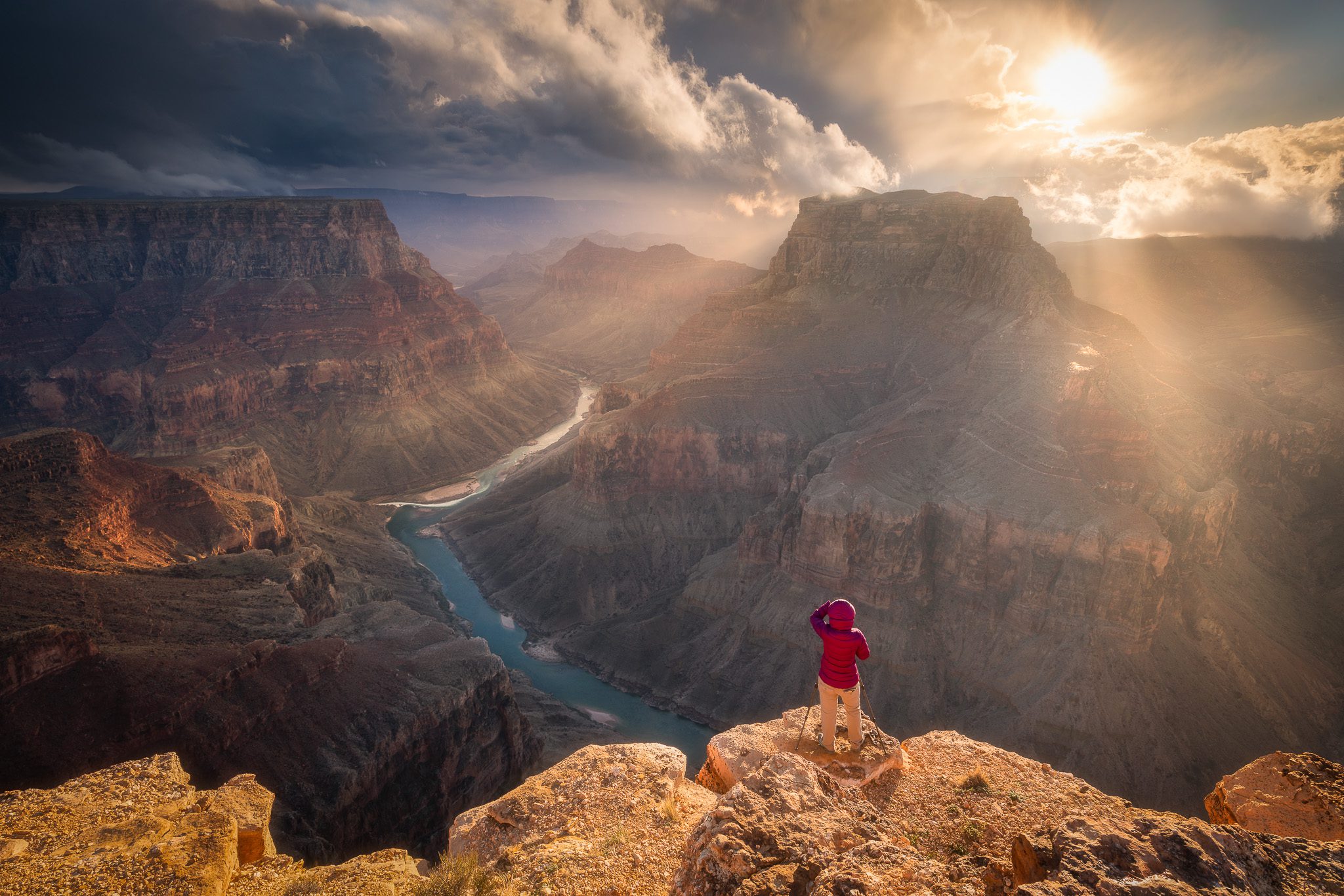
Think of each location as a story, not a single shot. Capture wide views for scale, mid-range frames for context, and tight details for texture and mood. This layered approach adds depth and variety—and tells a complete visual story of both the place and your experience there. And don’t forget the cell phone in your pocket! A quick handheld video or behind-the-scenes clip can add motion, sound, and a personal touch that still photos alone can’t convey.
5. Master the Gear You Have
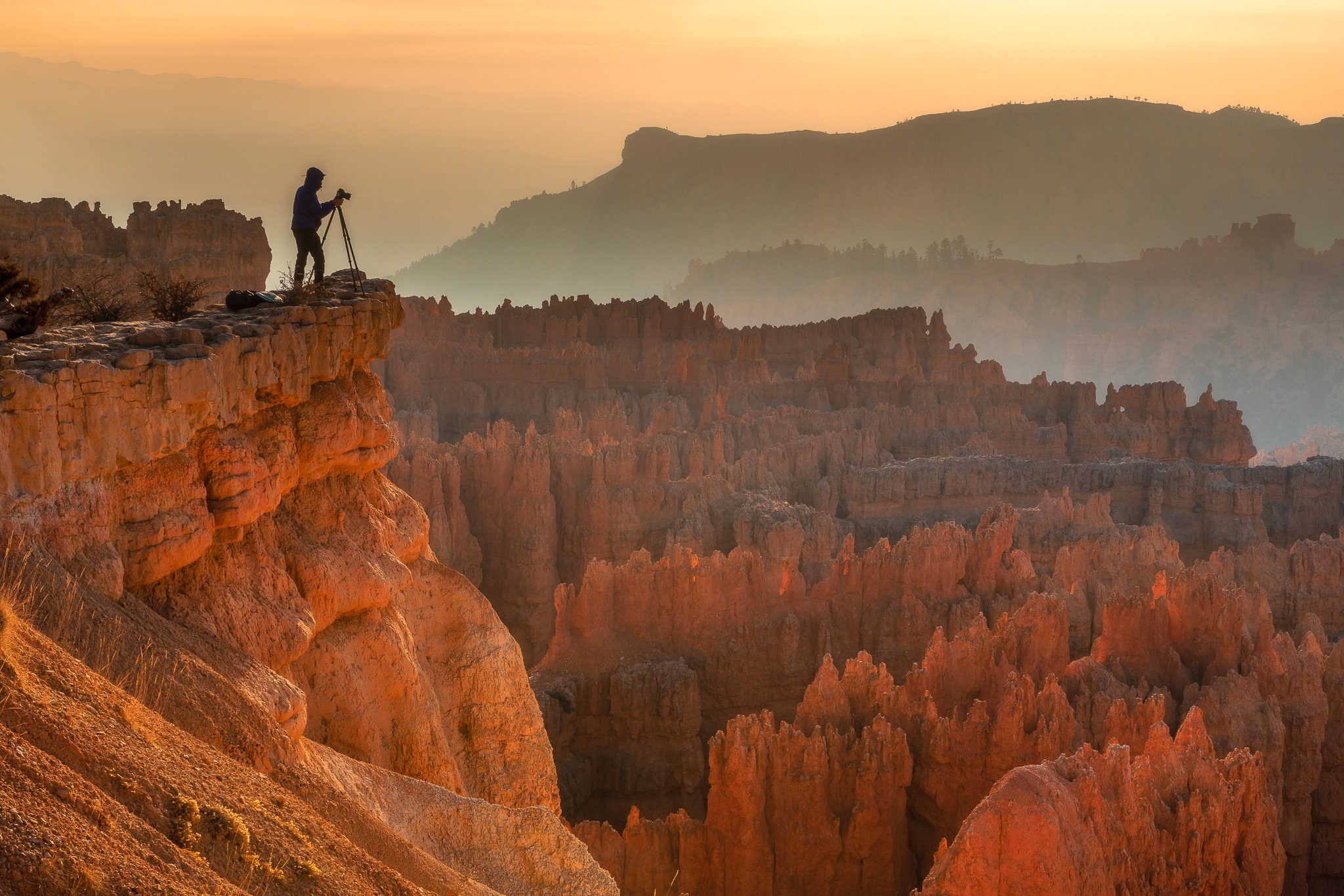
New gear won’t make you a better photographer, but mastering what you already own will. Learn your camera’s limits—how far you can push ISO, where sharpness peaks, and how it handles low light. The more intuitive your gear becomes, the more freedom you’ll have to focus on creativity instead of settings.
That said, upgrading from an older DSLR to a modern mirrorless system offers real benefits: faster autofocus, better low-light performance, greater dynamic range, and real-time exposure previews in a lighter, quieter body. Gear alone won’t make great photos, but the right tools can make the process smoother and more rewarding.
6. Chase Great Light
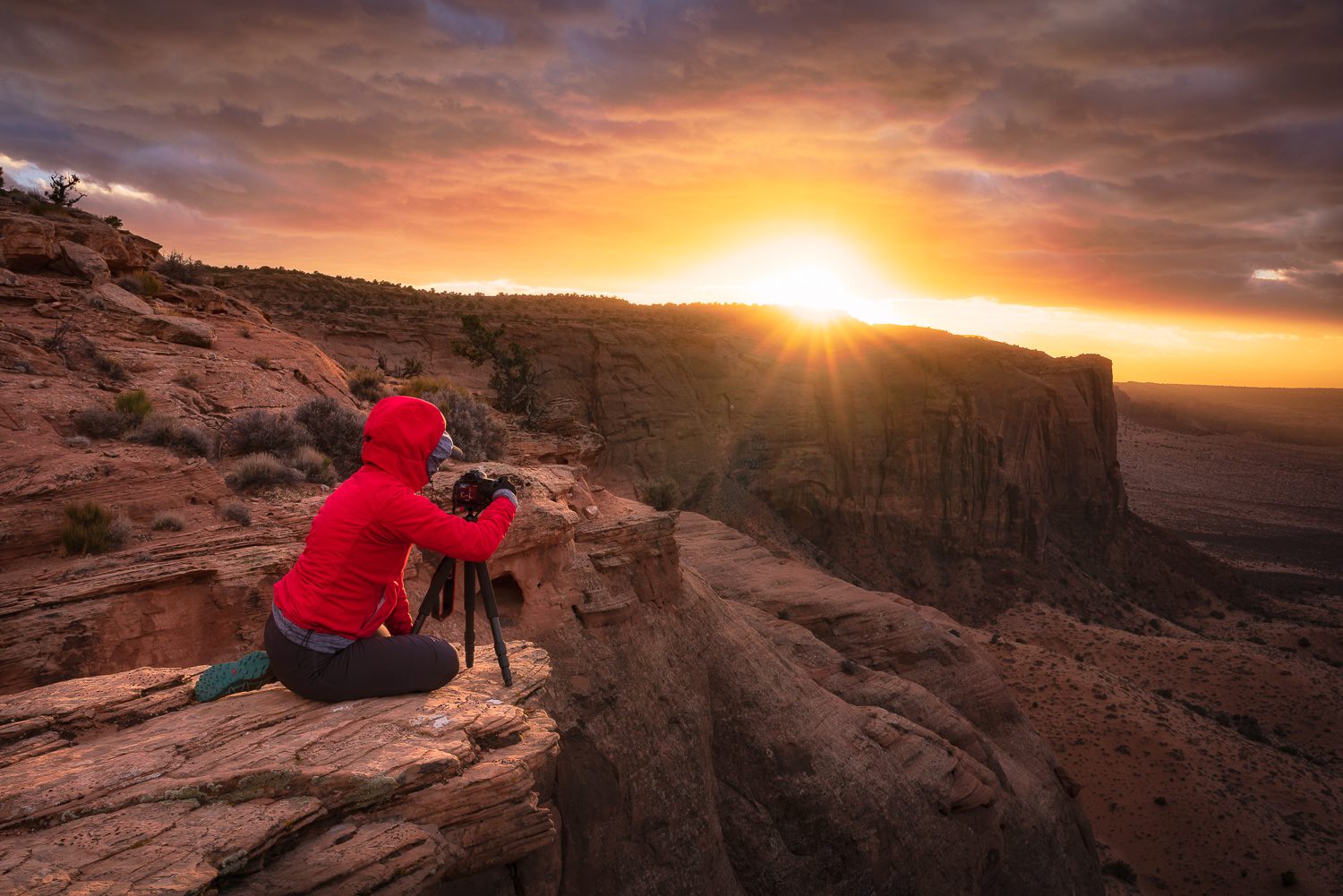
Light makes the image. Study how it changes throughout the day—its color, direction, and intensity. Sunrise and sunset often bring the magic, but soft overcast light can be just as powerful. Learn to adapt your vision to the light you have, and every image will benefit. For me, a photo only works if the light does. A colorful sky is nice, but great light is what truly makes a portfolio image stand out.
7. Control Time
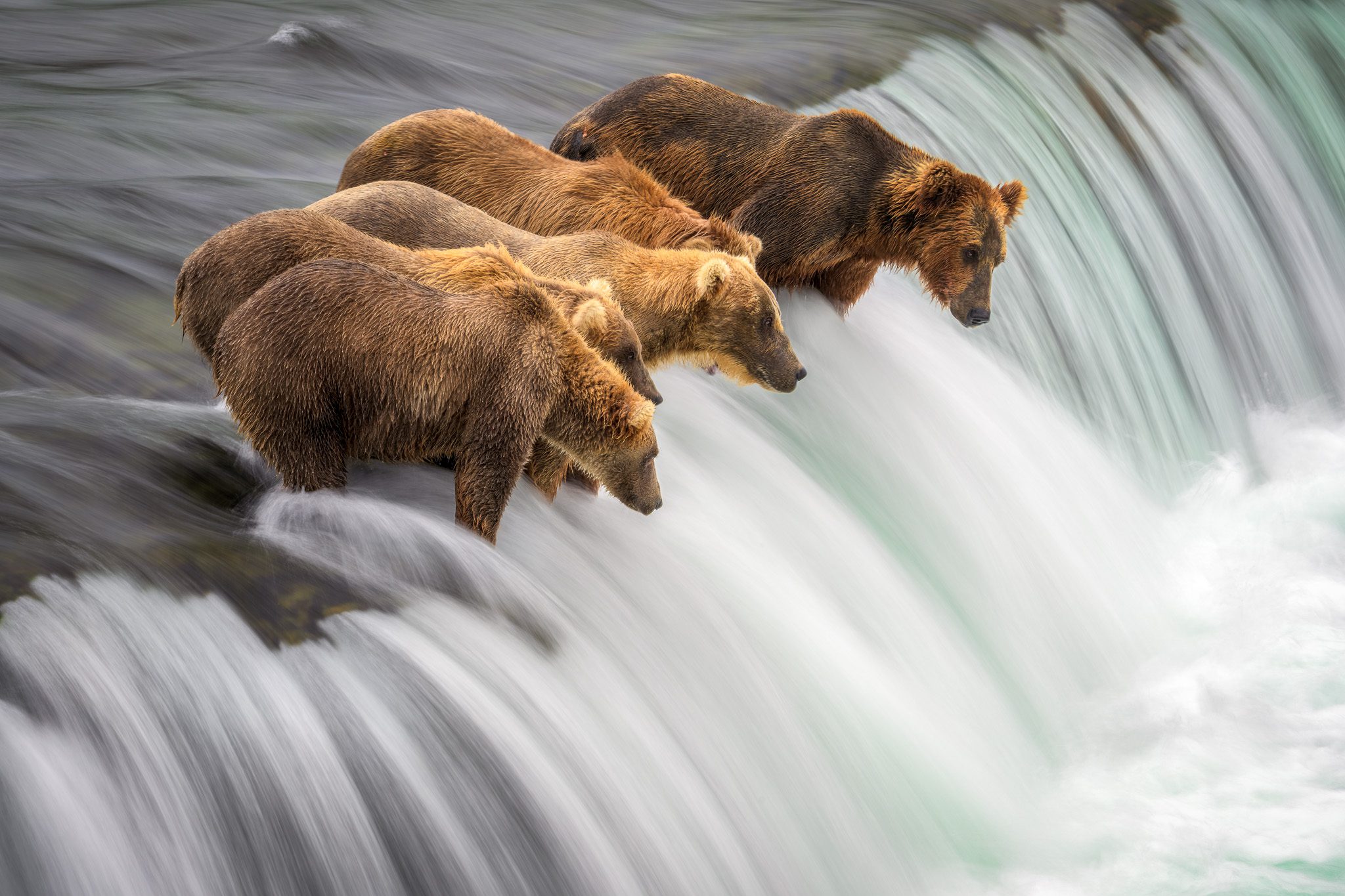
Shutter speed doesn’t just expose—it expresses. Fast speeds freeze energy; slow speeds create flow and mood. Use it intentionally to shape the emotion in your frame. This applies to both landscape AND wildlife photography—your choice of shutter speed helps define the story you’re telling. Mastering time turns ordinary scenes into dynamic, expressive images.
8. Learn How to Post-Process
I often tell students that only about 20% of creating a great image happens in the field—the other 80% happens in the digital darkroom. Mastering post-processing is what transforms a good photo into one that delivers real impact. Editing may not be as thrilling as shooting, but it’s an essential part of the creative process—and one that deserves just as much practice and attention.
9. Keep Your Skills Sharp
Photography is a use-it-or-lose-it skill. You can’t leave your camera on the shelf for six months and expect to pick up right where you left off. Regular practice keeps your reflexes sharp and your settings second nature.
I’ll never forget a moment in Alaska when a pack of wolves suddenly crossed the road in front of us. Before anyone else could react, one participant had already fired off a quick burst—the rest of us missed it completely. Turns out, he was a celebrity paparazzi photographer from Los Angeles. That’s what being camera-ready means.
10. Enjoy the Journey
The best part of photography isn’t the final image—it’s the experience of creating it. Every photo represents a moment of discovery, reflection, and connection with nature. Slow down, enjoy the process, and remember why you fell in love with the landscape in the first place. It’s not about perfection—it’s about capturing the beauty you witnessed and how it made you feel.
AI might be able to generate stunning images, but it can never replicate the journey of being there—the anticipation, the light, the sense of awe. Embrace that experience and enjoy the lifelong memories that come with it.