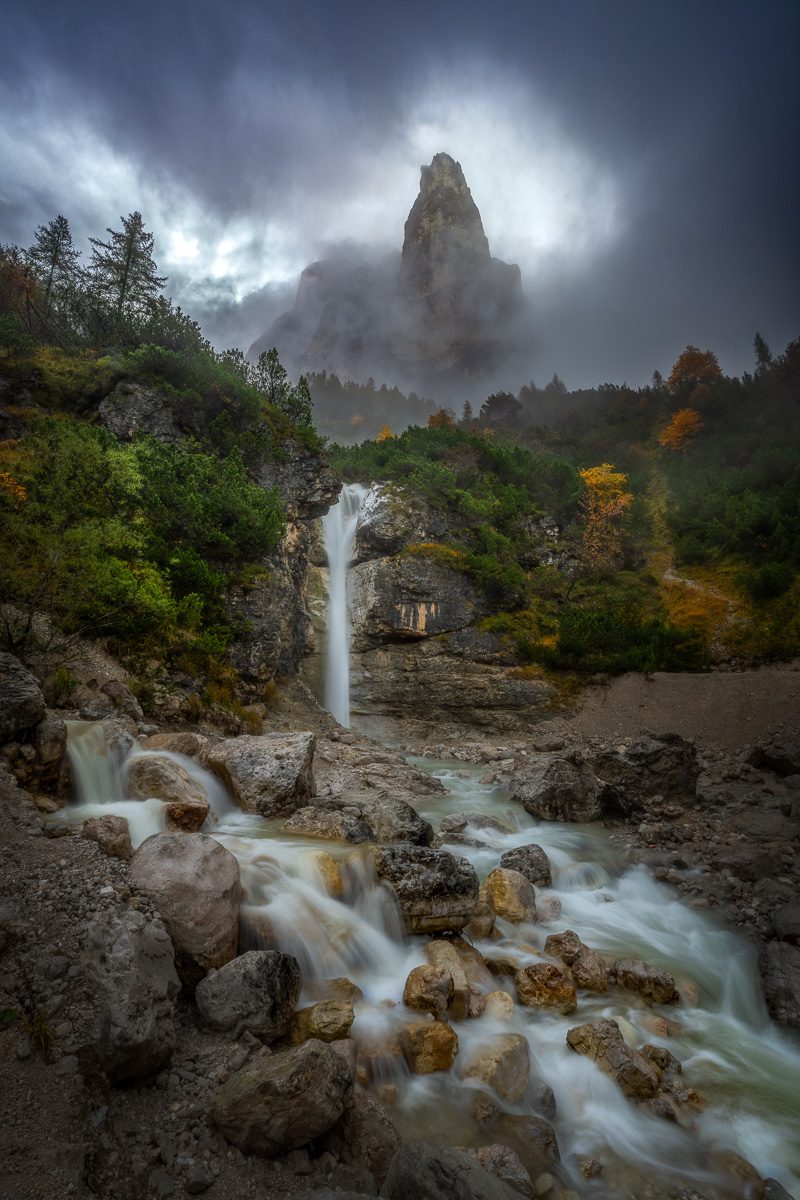
The Dolomites in Fall: The Photographer’s Season
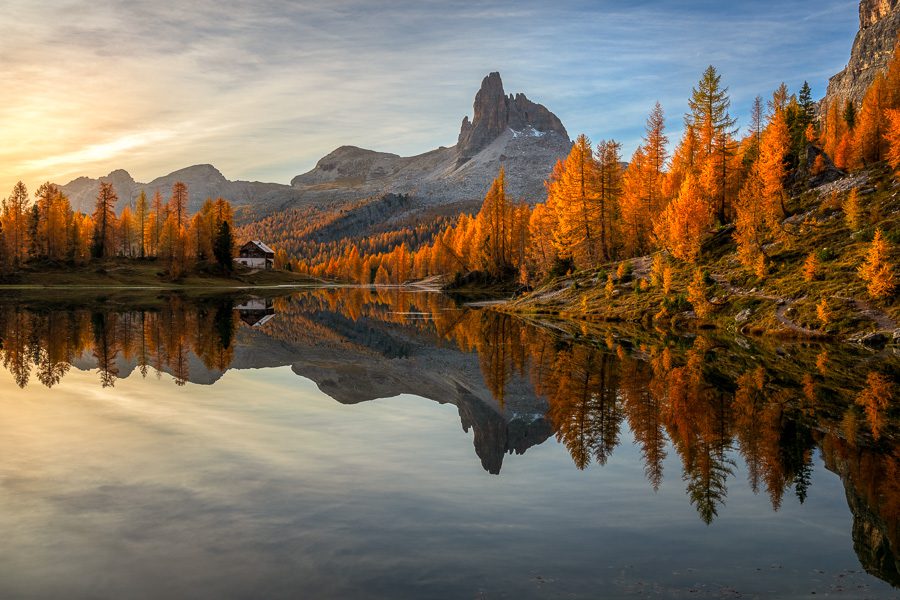
There are mountains… and then there are the Dolomites… in the fall.
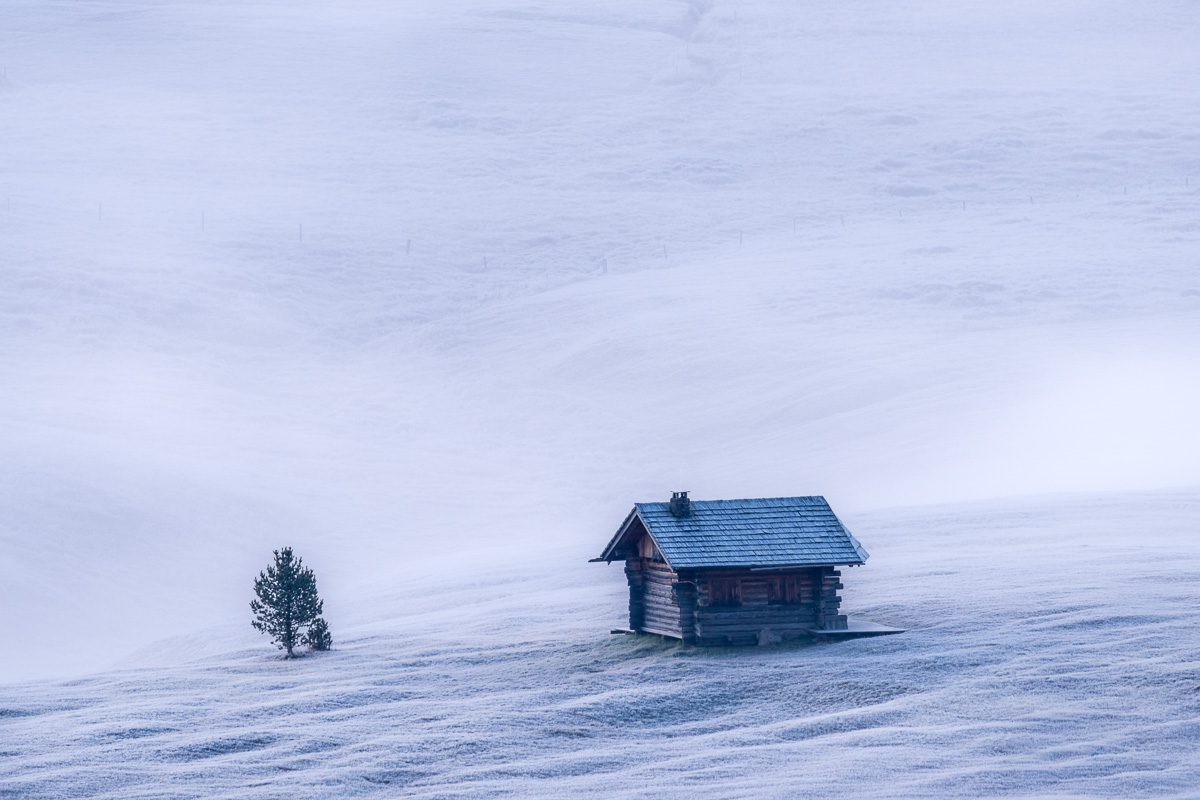
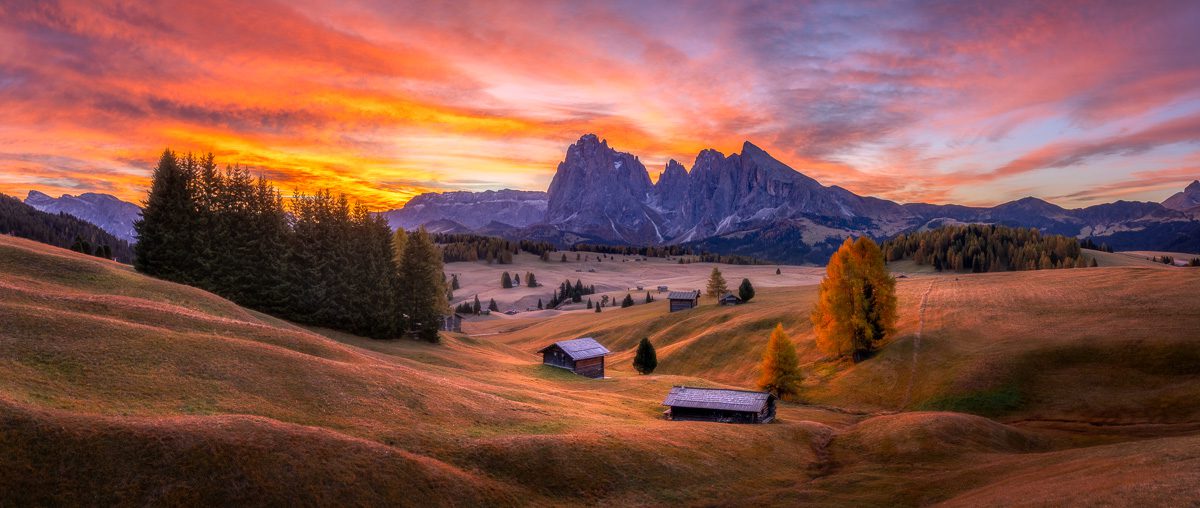
Jagged limestone peaks ignite at sunrise. Rolling alpine meadows glow beneath fire-lit skies. Fog settles quietly around solitary cabins and lone trees. The crowds fade. The light softens. The entire landscape feels cinematic.
This isn’t just another mountain destination. In autumn, the Dolomites are something extraordinary.
The Magic of the Larches
Most alpine landscapes are dominated by evergreen forests. But not the Dolomites.
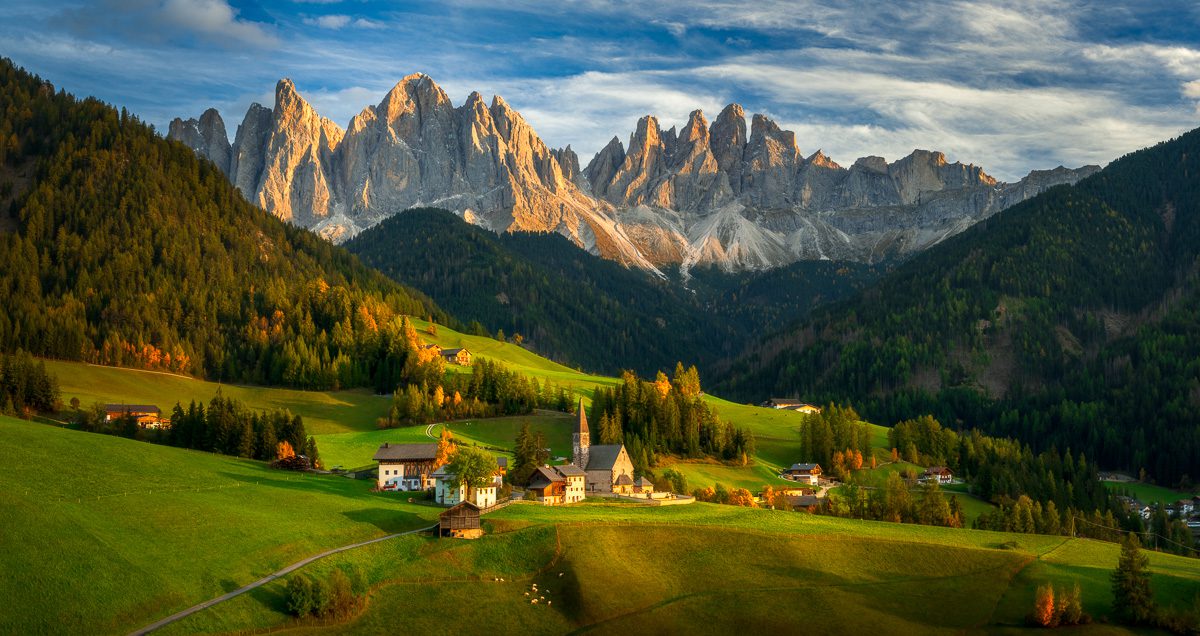
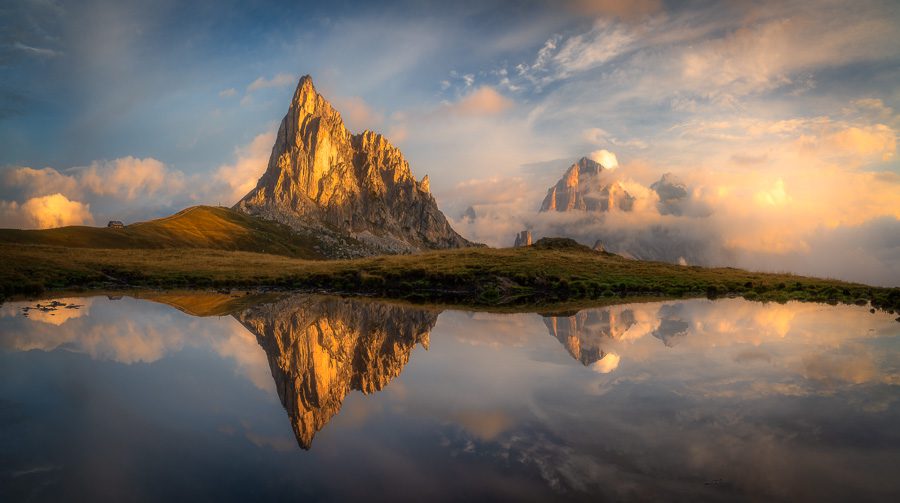
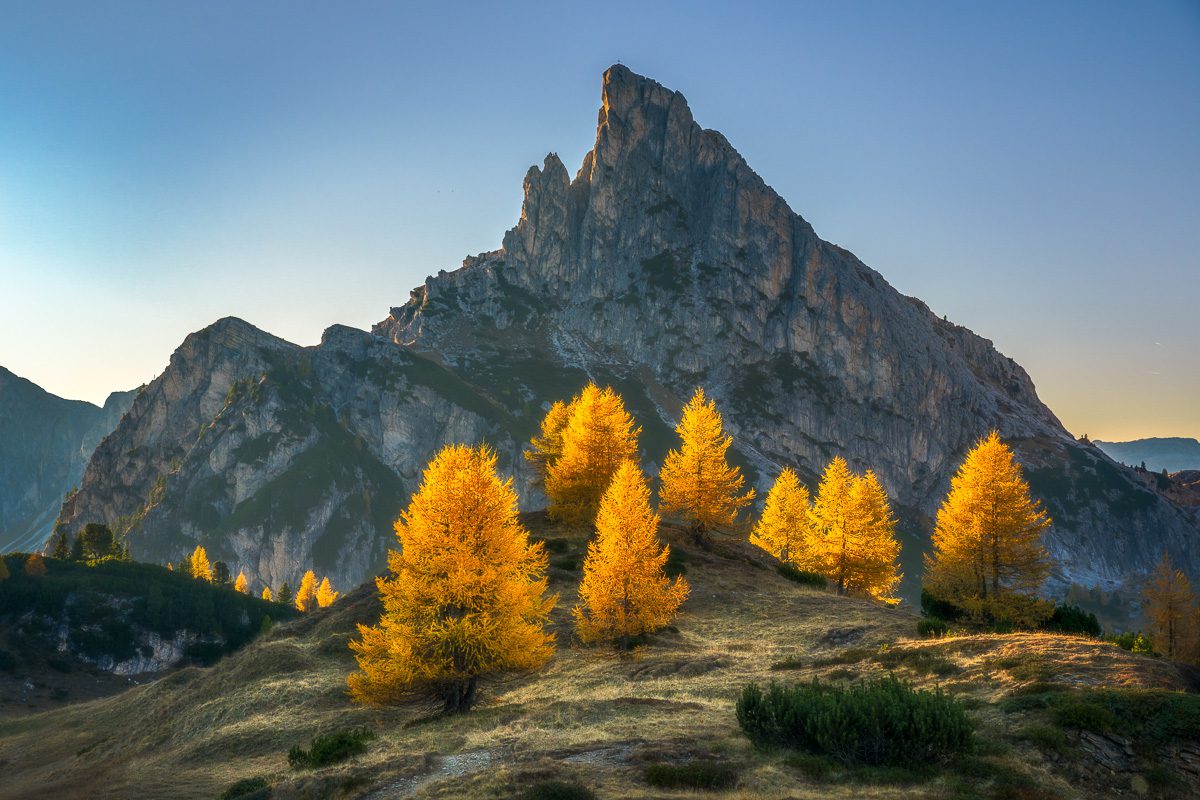
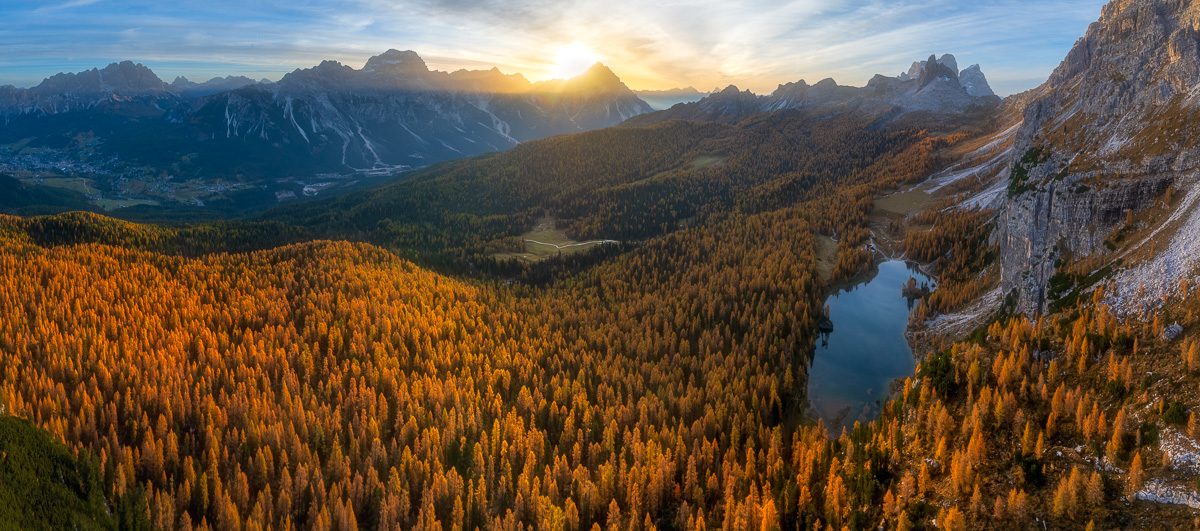
Here, the larch trees turn a luminous gold each October, glowing against green meadows and pale limestone peaks. Add fresh snow on the summits or mist drifting through the valleys, and the contrast is breathtaking.
Unlike many mountain destinations where fall color requires brutal hikes with thousands of feet of elevation gain, we can photograph world-class compositions without extreme backcountry effort.
Seceda — Without the Lift (And the Crowds)
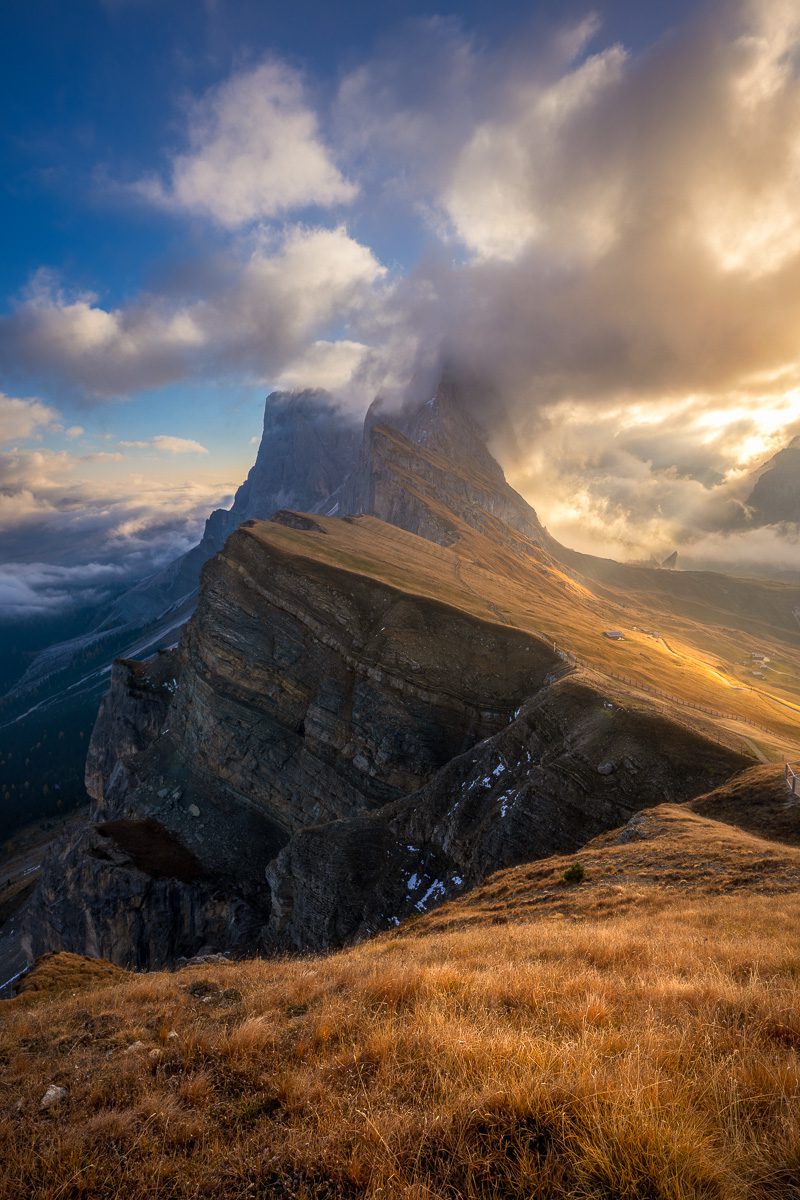
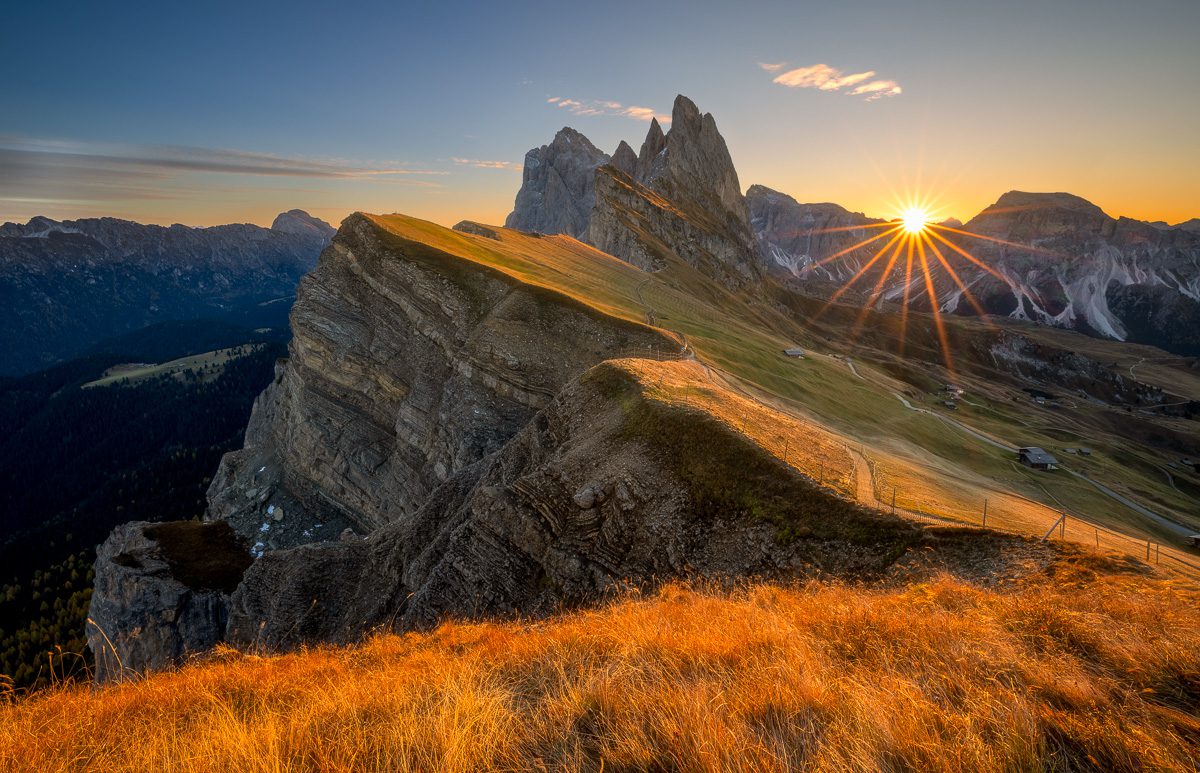
Seceda is one of the most iconic ridgelines in Europe. Those knife-like peaks catching sunrise light are instantly recognizable.
But here’s the catch: in the fall, the ski lifts close. Most photographers simply remove Seceda from their itinerary once the lifts stop running.
We don’t.
We’ve arranged a private early-morning mountain taxi that allows us to reach Seceda even when the lift is closed — giving us access when almost no one else is there. That means smaller crowds, quieter conditions, cleaner compositions, and a sense of exclusivity you simply don’t get in summer.
Lago di Federa — Without the Grueling Climb
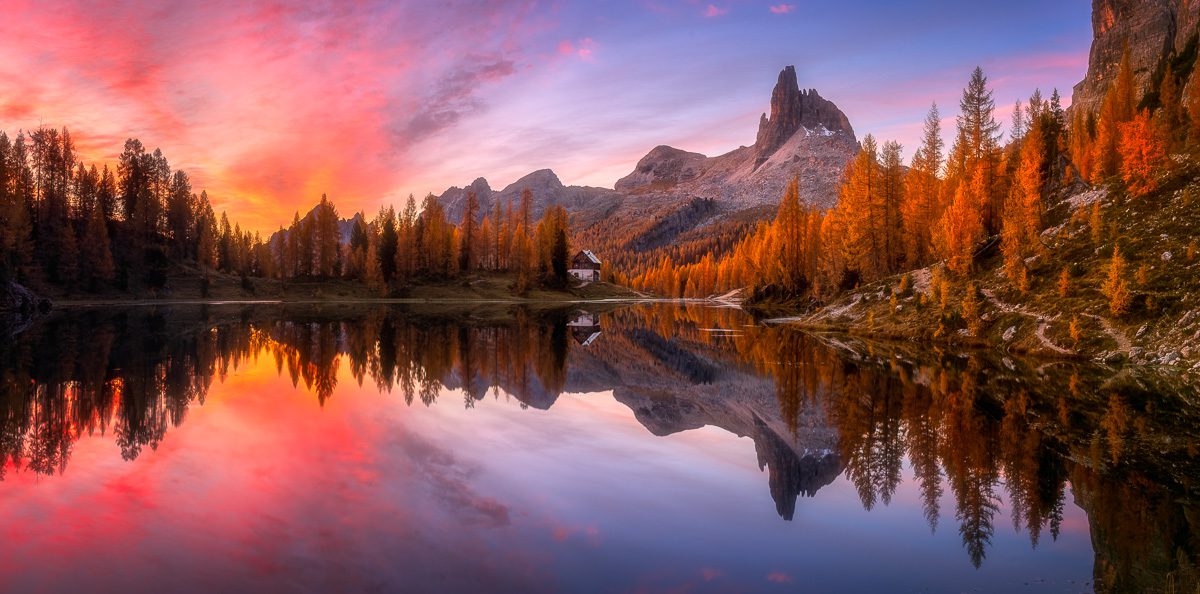
Lago di Federa is one of the true crown jewels of the Dolomites. In autumn, golden larches encircle the shoreline while the dramatic towers of Croda da Lago rise behind it, glowing at first light.
The challenge? Reaching it typically requires a long uphill hike — in the dark — just to make sunrise. For this workshop, we’ve arranged special access that dramatically reduces the climb and brings us right to the lake.
Instead of being exhausted, you arrive focused and ready to fully experience and explore the scene as the light unfolds.
The Depth Beneath the Peaks
It’s easy to think of the Dolomites as a place of dramatic summits and glowing trees. And they are. But the real magic often lives in the quieter places.
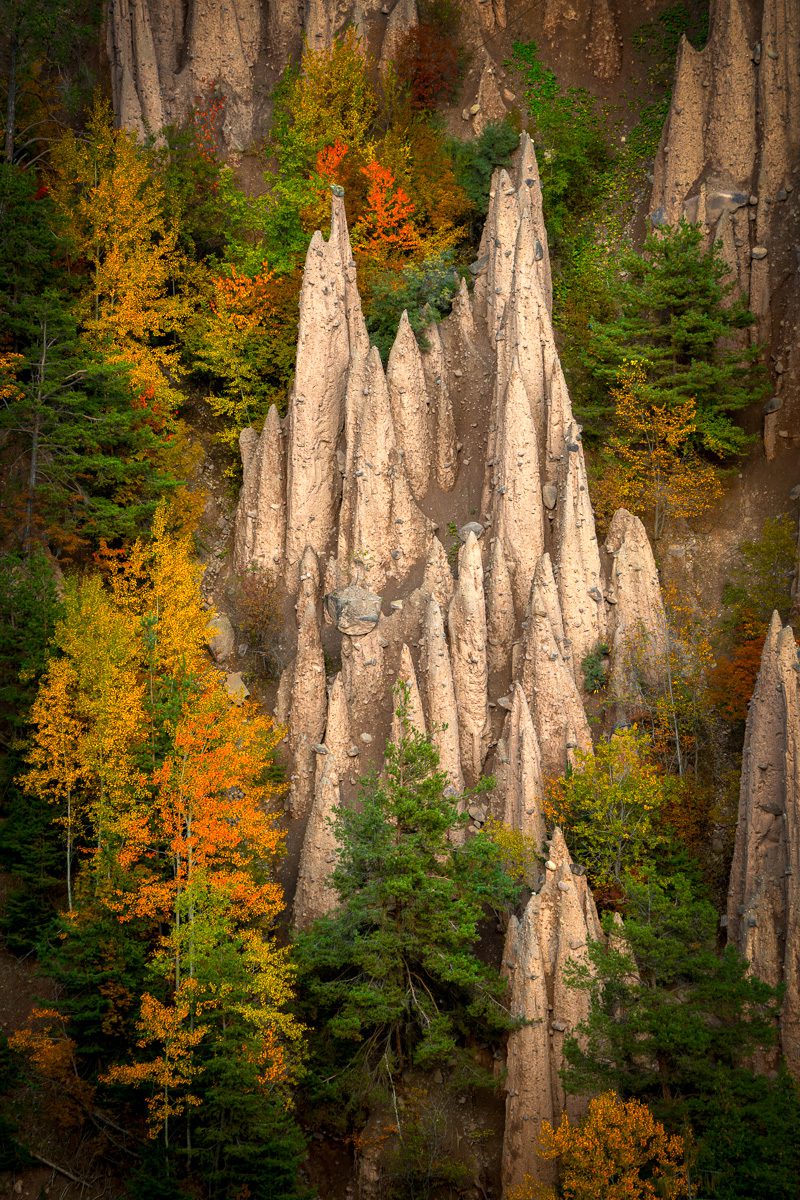
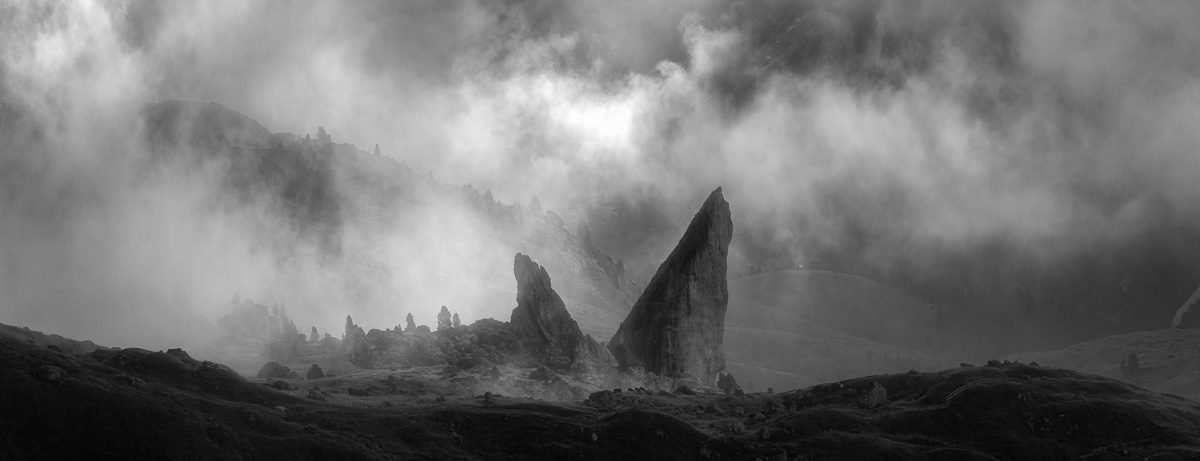
In hidden valleys where sandstone spires rise unexpectedly from autumn forest.
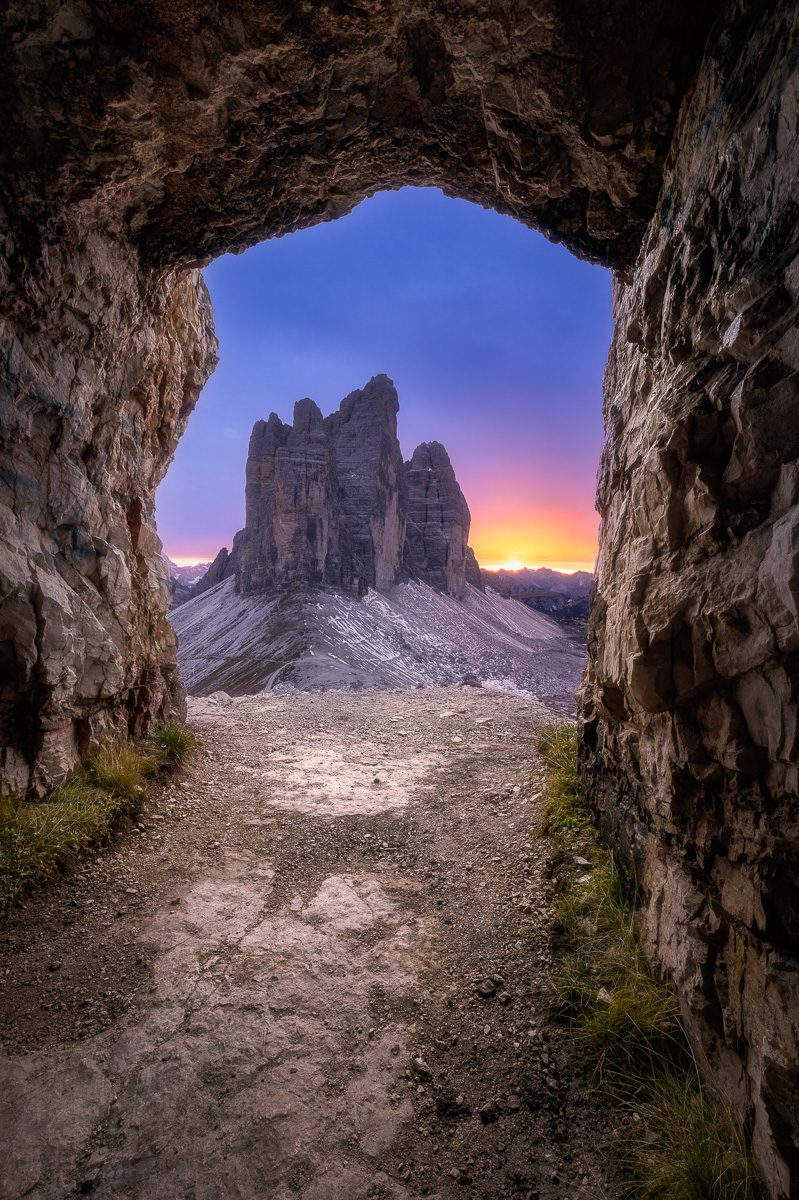
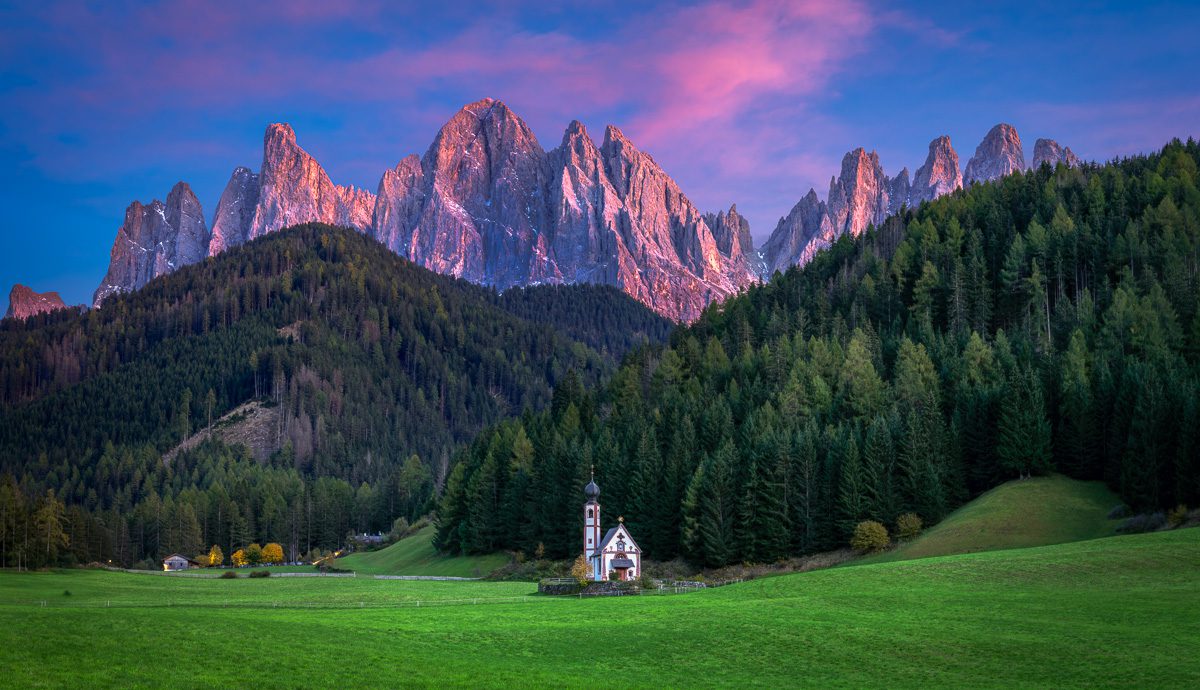
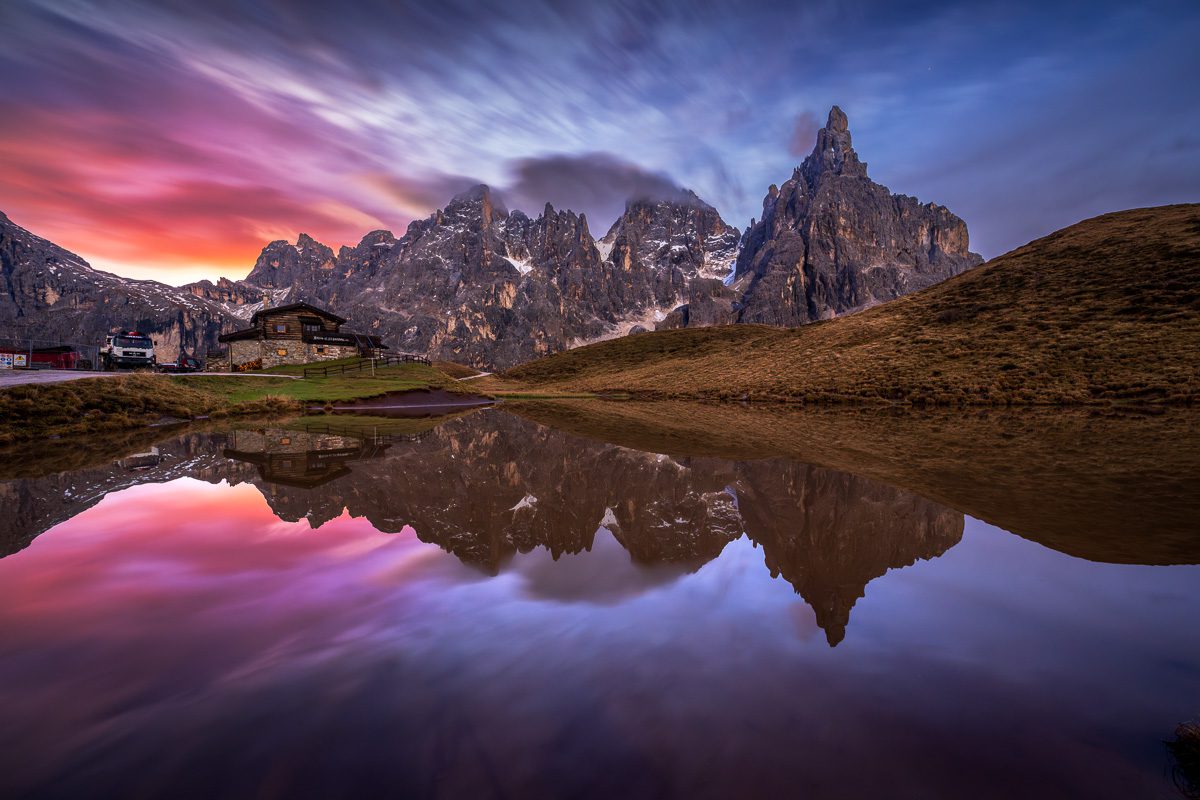
In stone tunnels carved into the mountainside, where sunset frames the Tre Cime in silence and shadow. In reflections that turn a small alpine pond into a mirror of fire and stone. In solitary chapels sitting peacefully beneath towering walls of limestone.
The Dolomites are not just about the icons. They are about layers — geological, cultural, and historical.
Throughout these mountains, remnants of World War I still remain. Tunnels carved into the rock. Old fortifications perched high on ridgelines. Trails that were once military supply routes now lead photographers to some of the most extraordinary viewpoints in Europe.
There is a depth here that goes beyond scenery.
You feel it in the stone. In the quiet. In the sense that these mountains have witnessed far more than just sunrises. And once you experience it, you understand.