The Galápagos: Where Wildlife Comes Close… Very Close
There are very few places left in the world where wild animals simply go about their lives — completely indifferent to your presence.
The Galápagos is one of them.
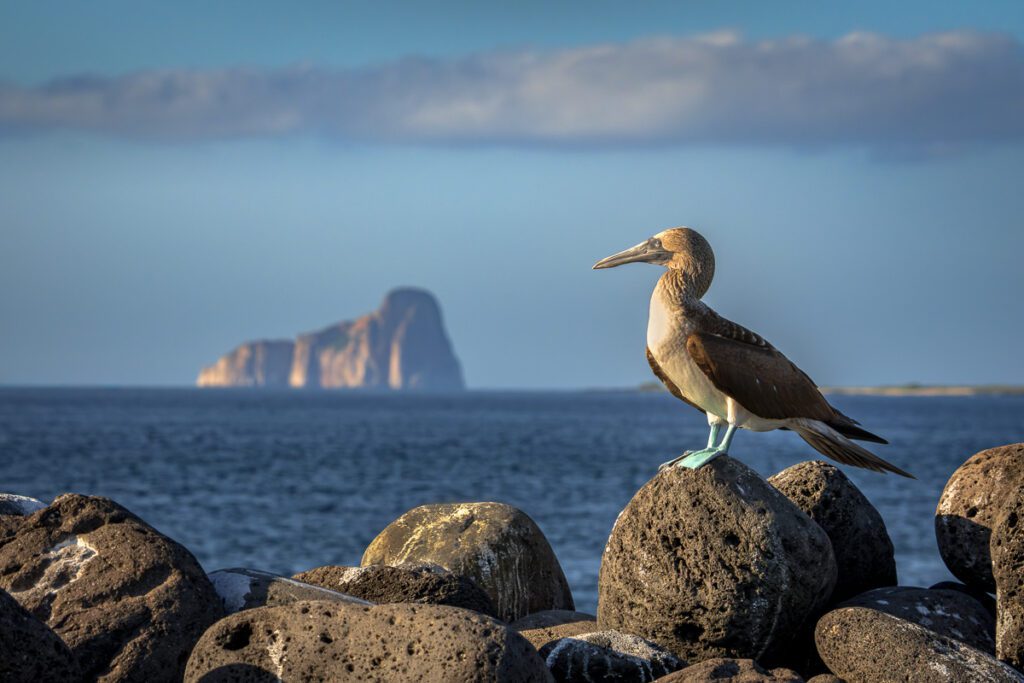
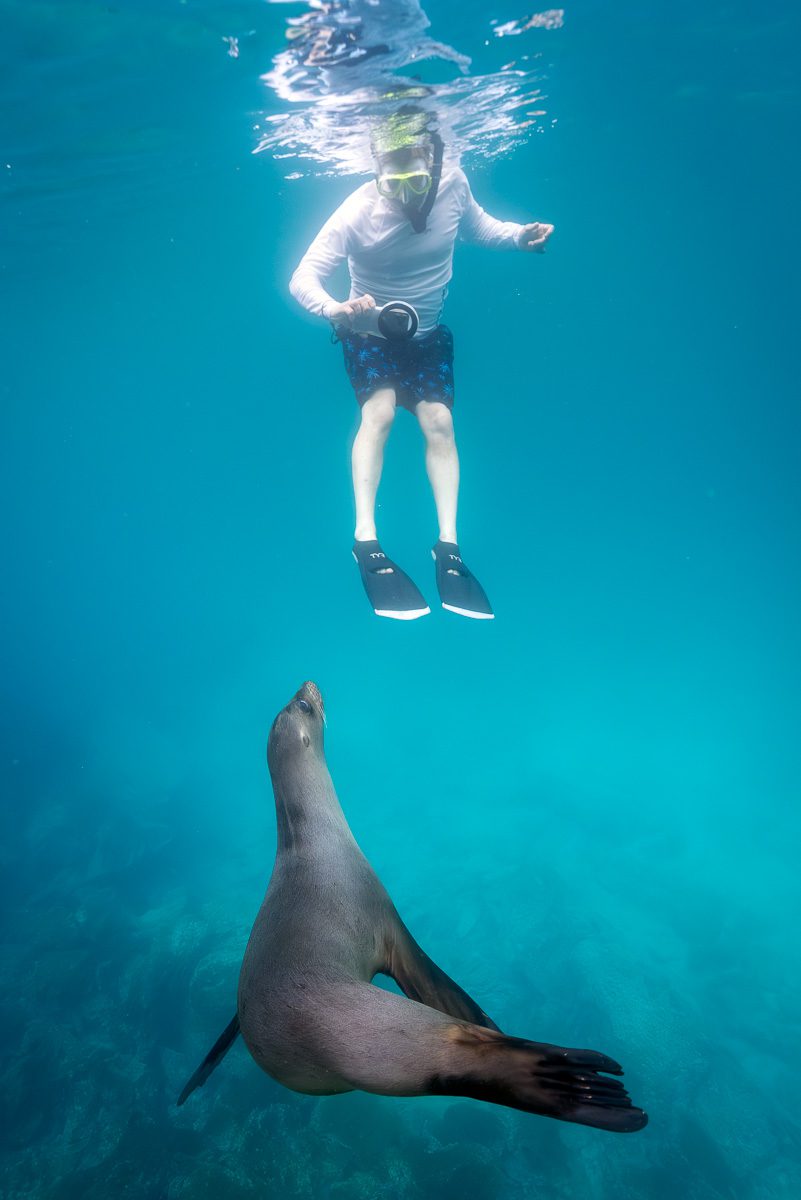
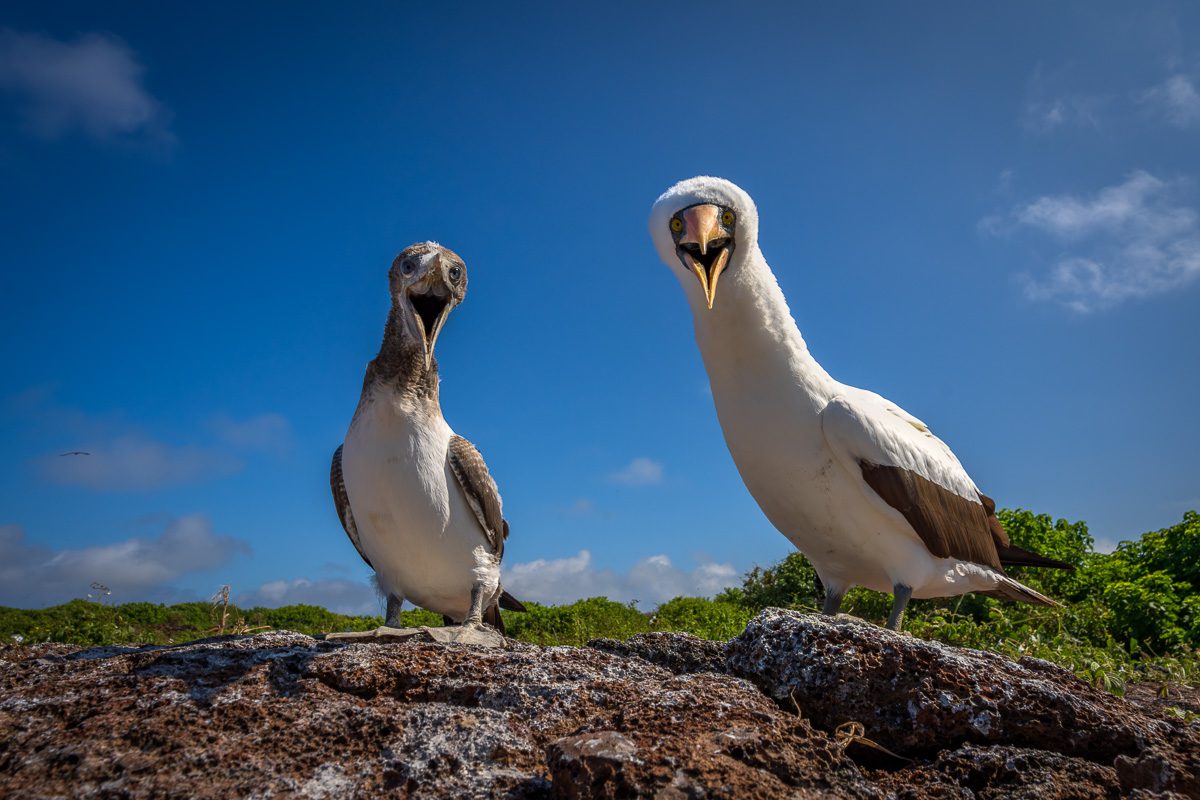
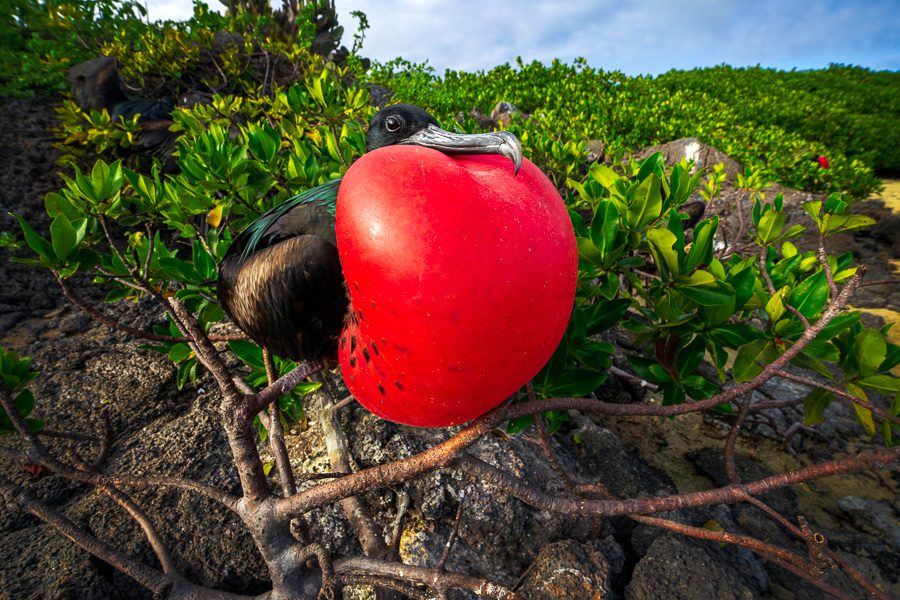
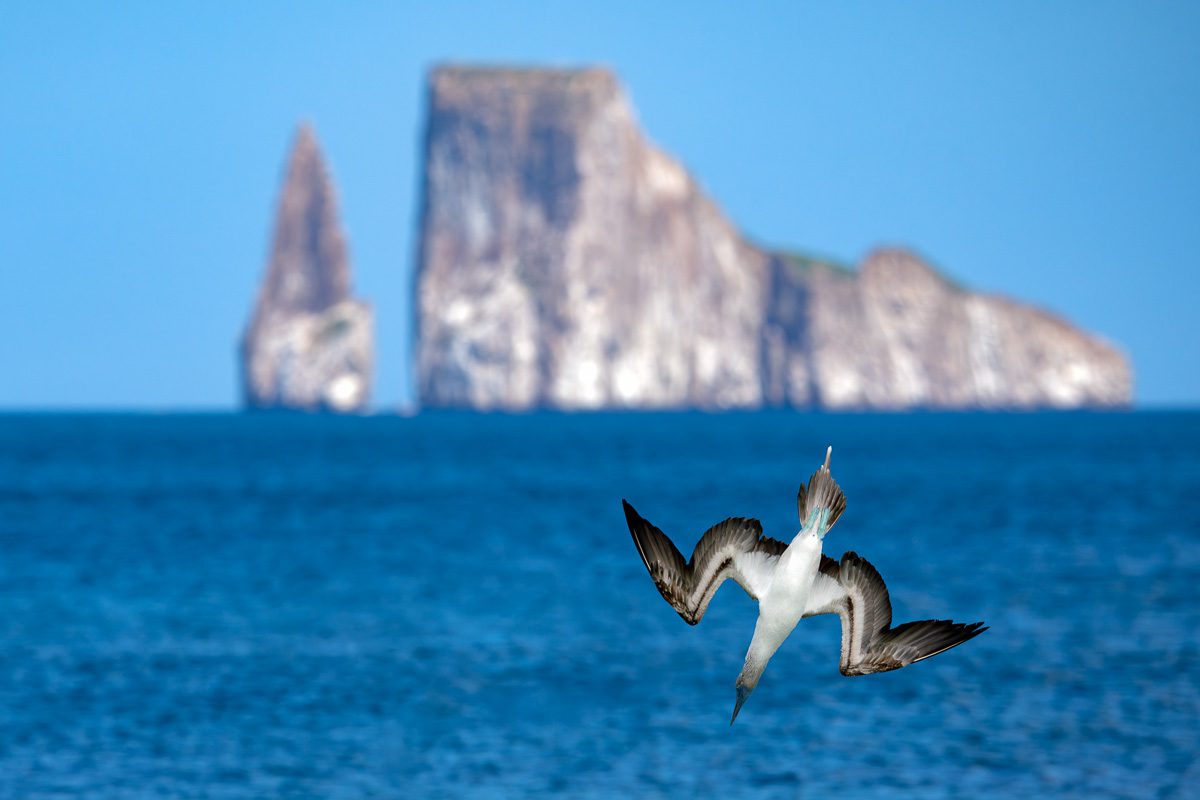
Here, blue-footed boobies perform their careful, deliberate courtship dances just a few feet away. Magnificent frigatebirds inflate their scarlet throat pouches like bright balloons against the sky. Sea lions tumble through the surf with effortless joy. And everywhere, life feels immediate and unfiltered.
This isn’t wildlife viewed from a safari vehicle. It’s wildlife experienced intimately — at eye level!
Perfectly Timed for Life in Motion
Light matters. Access matters. But seasonal timing is what transforms a trip into something extraordinary.
For wildlife photographers, there is nothing like the mating and nesting season in the Galápagos. It’s when the islands feel most alive — when instinct, competition, and new life unfold in the open.
Frigatebirds will be in full display — males flashing their brilliant red gular pouches, rattling and clattering their bills in an almost mechanical rhythm to attract passing females. Blue-footed and Nazca boobies will be courting, nesting, and tending to chicks. Waved albatross may still be lingering on Española. Downy seabird babies wobble beneath watchful parents.
Young sea lions explore tide pools — and often, you — with wide-eyed curiosity and playful confidence.
For photographers, this timing changes everything. Behavior replaces static portraits. Interaction replaces stillness. Story replaces snapshot. Instead of simply documenting a species, you photograph rituals. Relationships. Competition. Parenting. New life unfolding in real time.
And because these islands evolved without natural land predators, much of it happens just feet away — allowing you to work slowly, thoughtfully, and intimately as each moment develops.
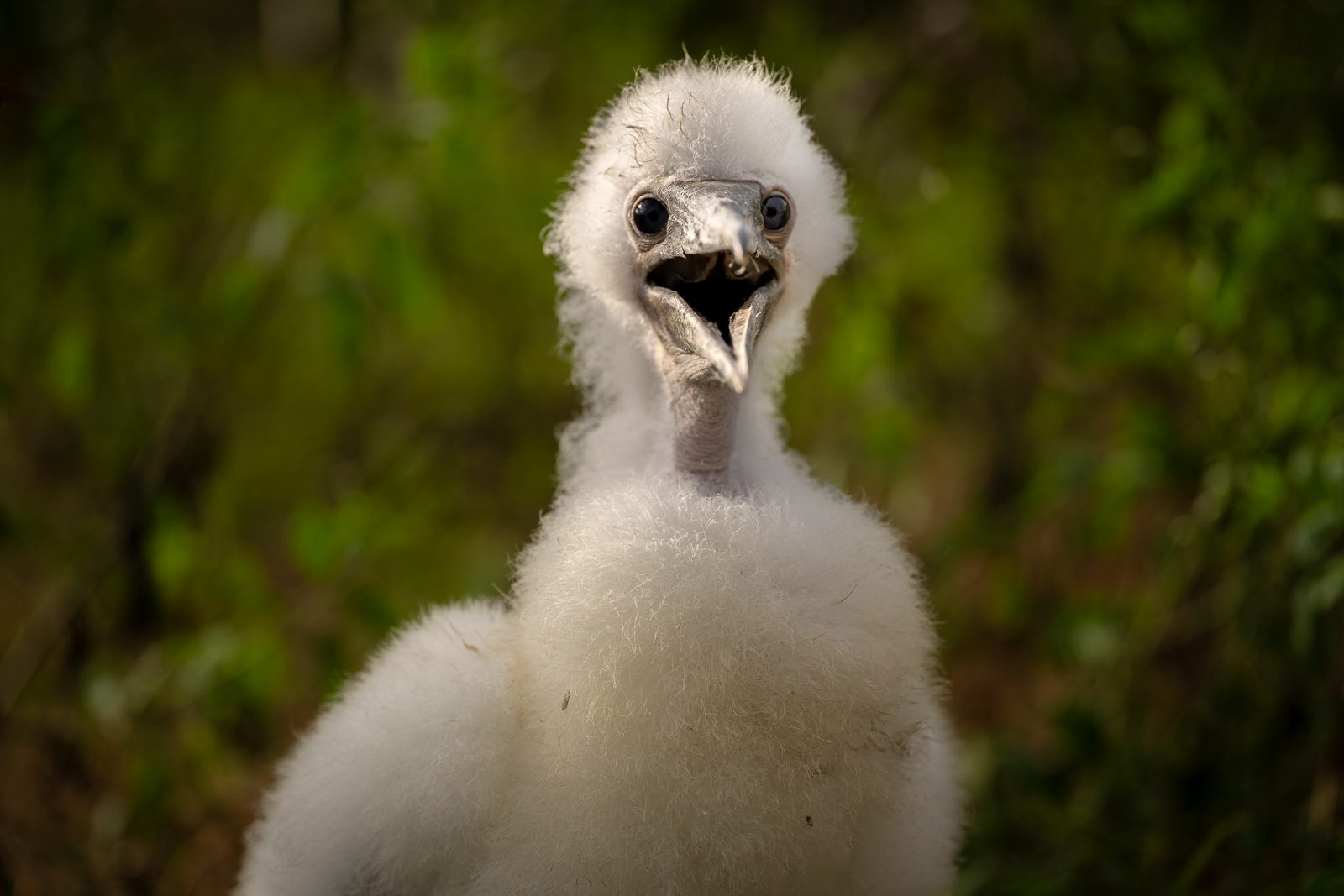
Adaptation in Plain Sight
Few places on Earth are as revealing as the Galápagos.
These islands didn’t just inspire a theory — they reshaped our understanding of life itself. It was here that Darwin began noticing something subtle yet revolutionary: species that looked similar from island to island, yet were distinctly different. Adapted. Refined. Shaped by isolation.
Giant tortoises provide one of the clearest examples. On some islands, they carry domed shells and shorter necks, built for grazing on low vegetation. Just a few islands away, others evolved saddle-backed shells and longer necks, allowing them to reach higher cactus pads. Same lineage. Different solution.
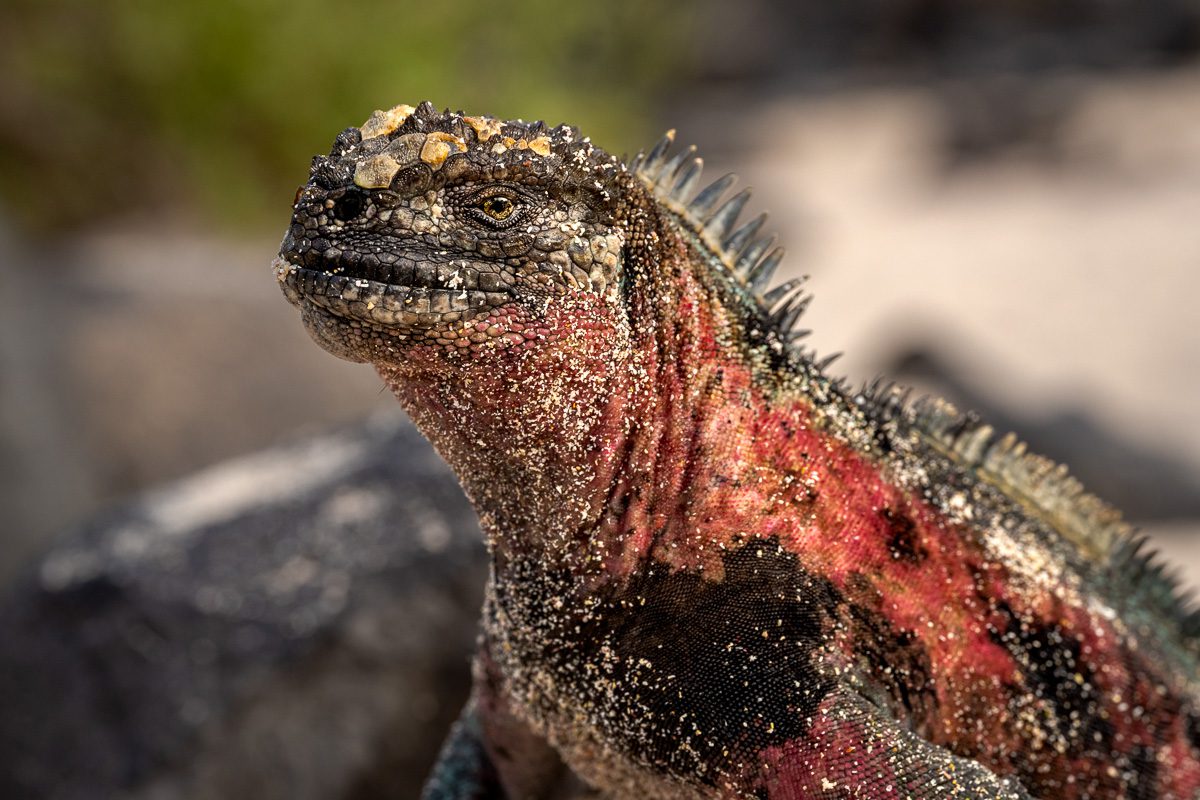
Marine iguanas tell a similar story. On nutrient-rich islands, they grow larger and more robust. In harsher environments, they remain smaller — each population precisely tuned to its shoreline.
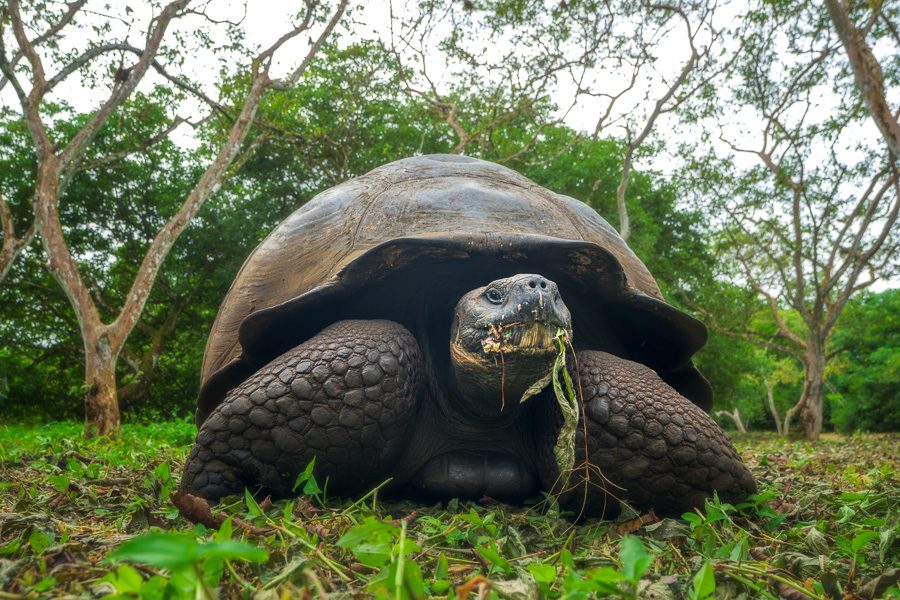
Even the Smallest Details Matter
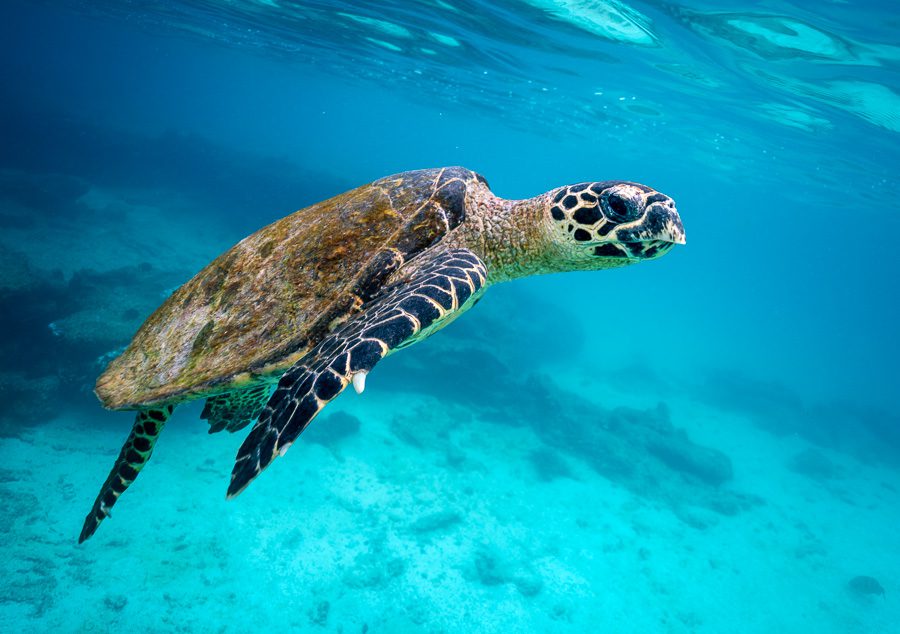
A lava lizard pauses on black volcanic rock, perfectly adapted to its terrain. A marine iguana exhales salt in the early morning light, crystalline spray catching the sun. A sea turtle glides silently beneath you in clear Pacific water. A giant tortoise moves through highland grasses with ancient deliberation — a living remnant of deep time.
The Galápagos is endlessly fascinating because adaptation is not hidden. It’s visible. Tangible. Photographic.
Every island feels like a chapter in an unfolding story — shaped by wind, water, scarcity, and time. And because these animals evolved without natural land predators, they never developed fear of humans. That allows us to work slowly, thoughtfully, and respectfully at close range.
That proximity creates something rare: connection. Not just to the subject in front of your lens — but to the deeper story of how life adapts, survives, and transforms.