Wild China: The Side Most People Never See
There are some trips that are exciting because the photography is incredible. There are others that feel personal.
For me, this one is both.
Having grown up in China, I have always been immensely proud of its history, culture, landscapes, and diversity. For the past decade, David and I have talked about how to bring China to the Action Photo Tours community. Not as a mainstream photo workshop. Not as a checklist of famous landmarks. But as the kind of experience we love most: immersive, off the beaten path, and full of surprises.
Many already know the icons of China: the Great Wall winding across the mountains, the Terracotta Warriors standing in silent formation, the ancient imperial palaces, and the dramatic city skylines. Those places are extraordinary. But for this first trip in our Wild China series, we wanted to do something different.
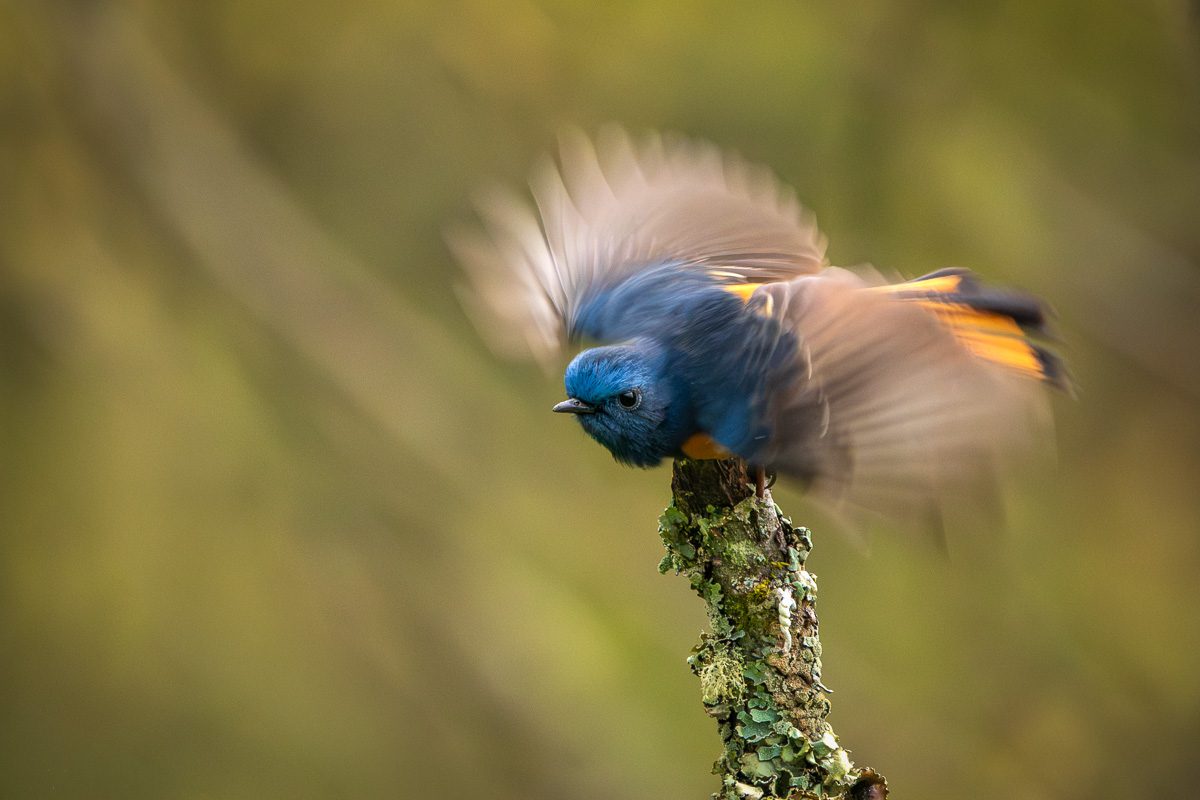
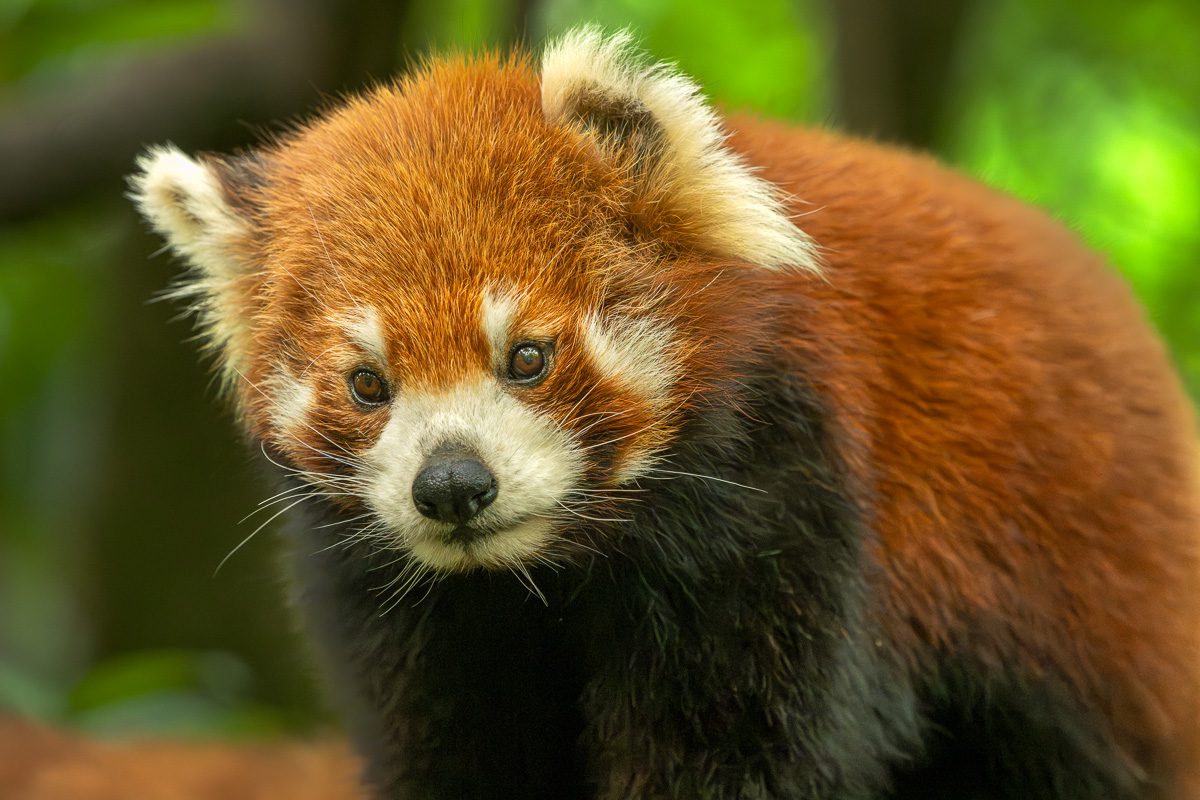
We wanted to show you a wilder China. A China of misty mountain forests, rare pheasants, golden monkeys, giant pandas, tea country, traditional villages, and wildlife found nowhere else on Earth. A China that most international travelers never see. A China that feels mysterious, colorful, deeply cultural, and incredibly rewarding for photographers.
Beyond the Stereotypes: China’s Remarkable Cultural Diversity
To many Western eyes, China can appear to be a largely homogeneous society. But the moment you begin traveling through the country, you realize how incredibly diverse it truly is.
Modern China is home to 56 officially recognized ethnic groups. While the Han Chinese make up the majority of the population, more than 100 million people belong to one of the country’s 55 minority groups. These communities carry traditions, languages, architecture, clothing, foods, and customs that trace their roots to cultures that existed long before China was unified under Qin Shi Huang, the First Emperor, in 221 B.C.
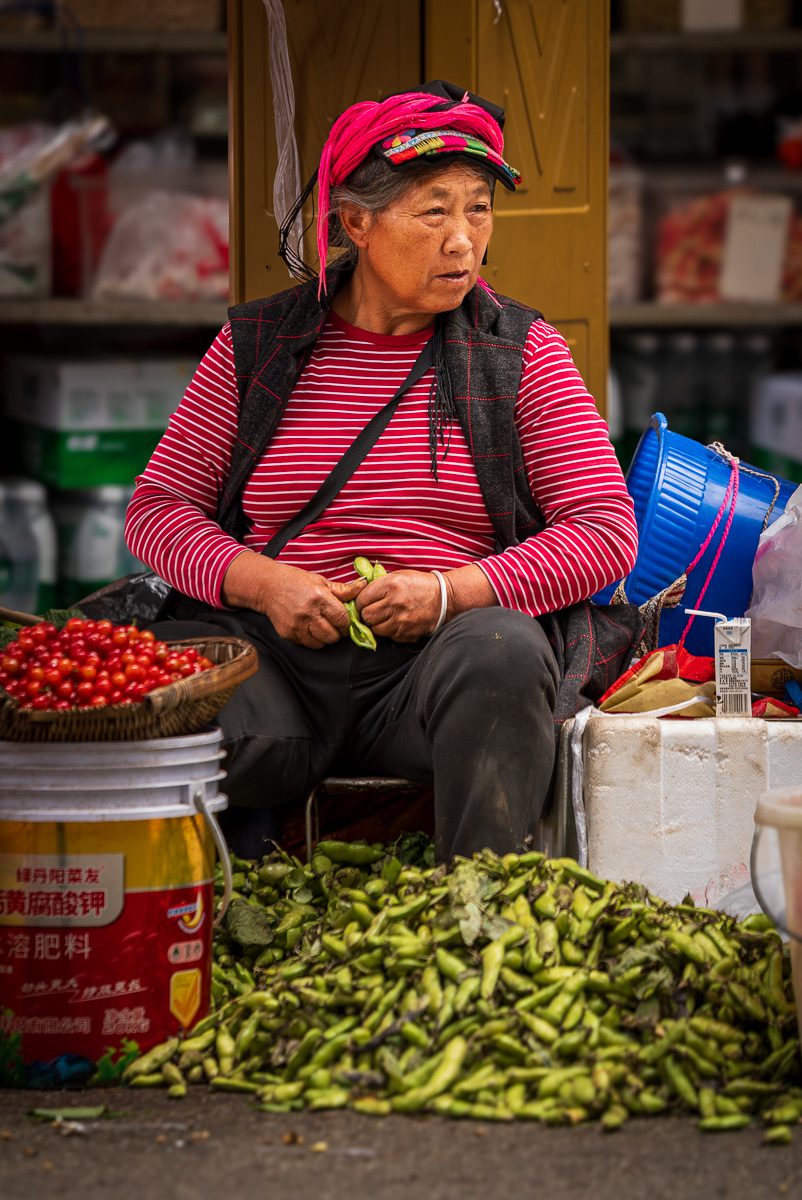
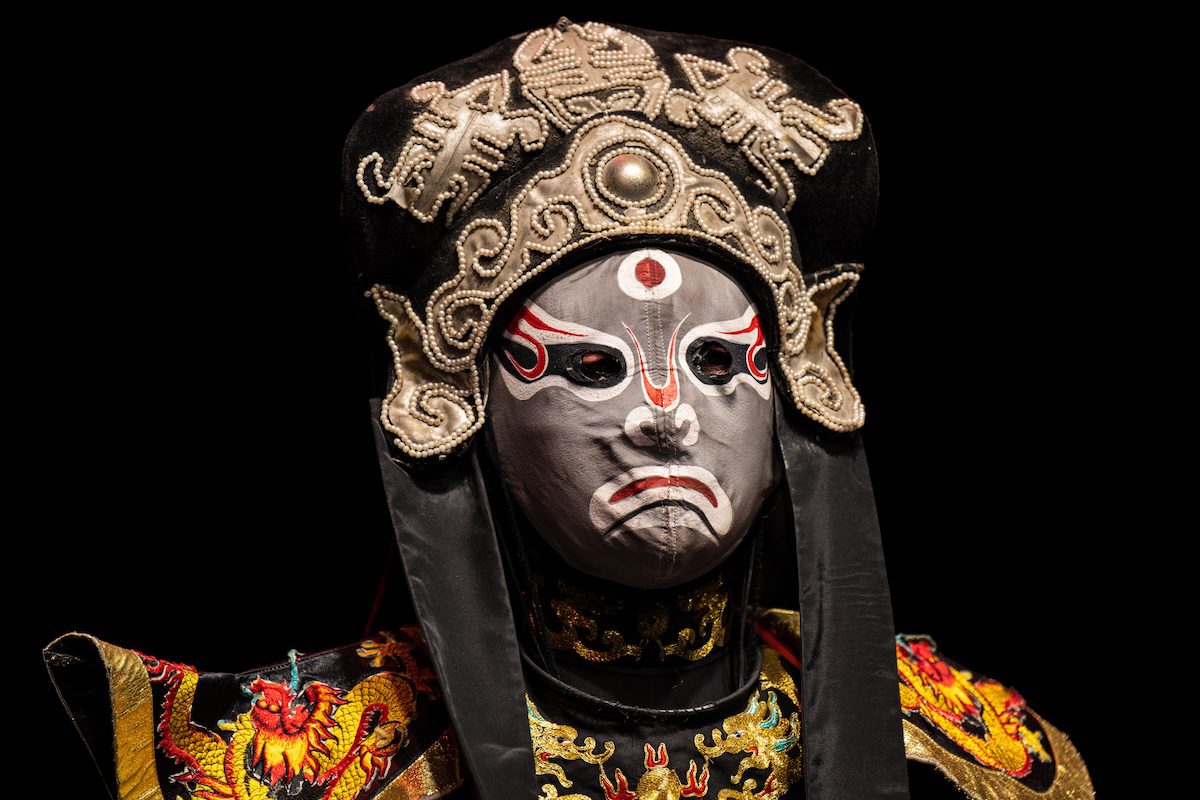
This diversity is especially visible in Sichuan and the mountains of Southwest China, home to Tibetan, Yi, Qiang, Miao, Tujia, and other minority communities. As we travel through the region, we’ll encounter traditional architecture, colorful clothing, intricate embroidery, silver jewelry, elaborate headdresses, regional markets, and cultural practices still woven into daily life.
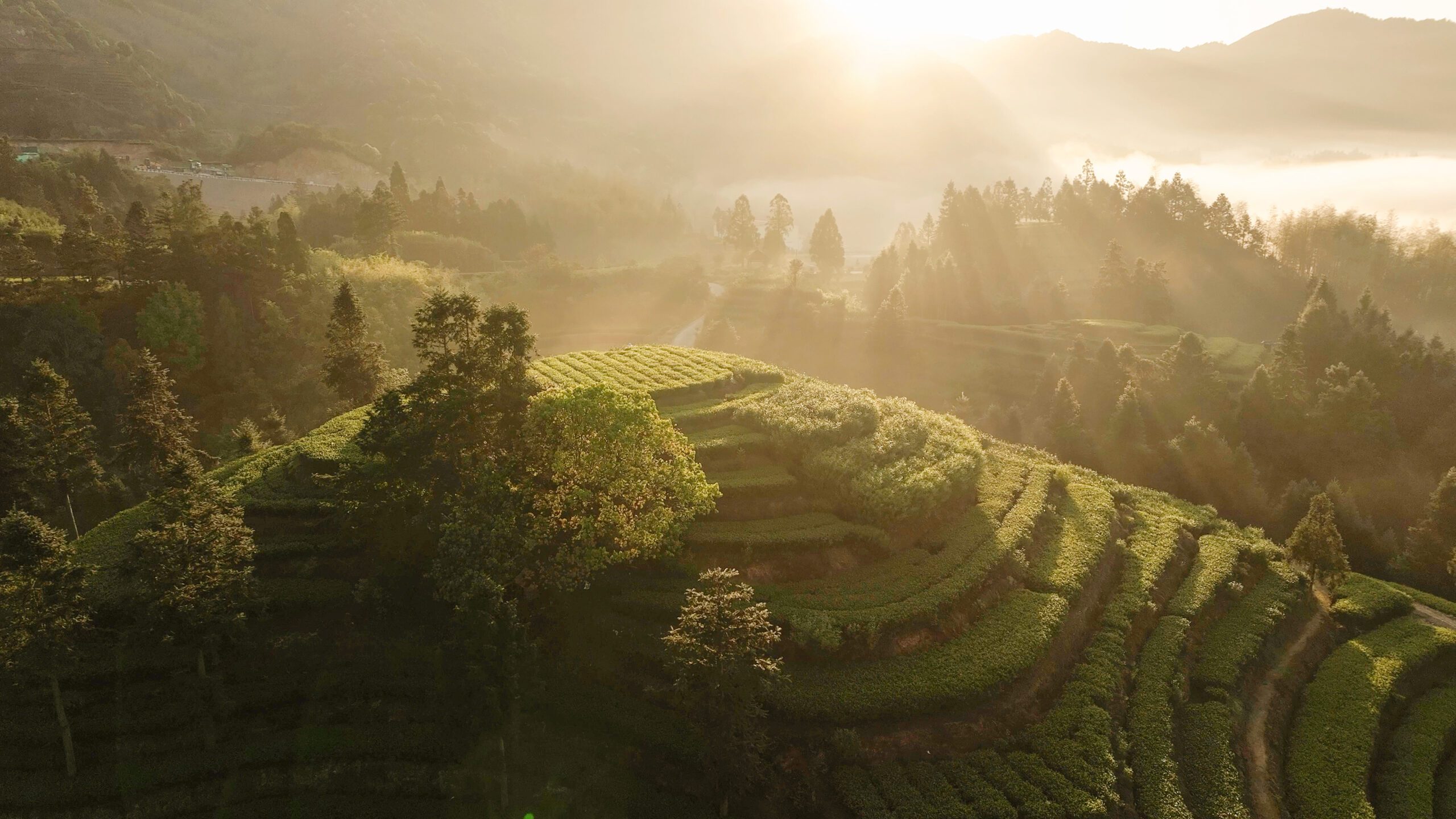
Tea culture is equally important. Sichuan is widely regarded as one of the birthplaces of tea cultivation, with historical records suggesting tea has been grown here for more than 2,000 years. Today, rolling tea plantations still carpet hillsides and valleys, offering beautiful photographic opportunities and a glimpse into a tradition that has shaped Chinese culture for millennia.
One of the things I love most about this region is how naturally tradition and modernity coexist. A villager in traditional clothing may be carrying a smartphone. Ancient festivals continue while high-speed trains race through the valleys below. It is this blend of old and new that makes Southwest China so fascinating.
The Crowd-Pleasers: Giant Pandas
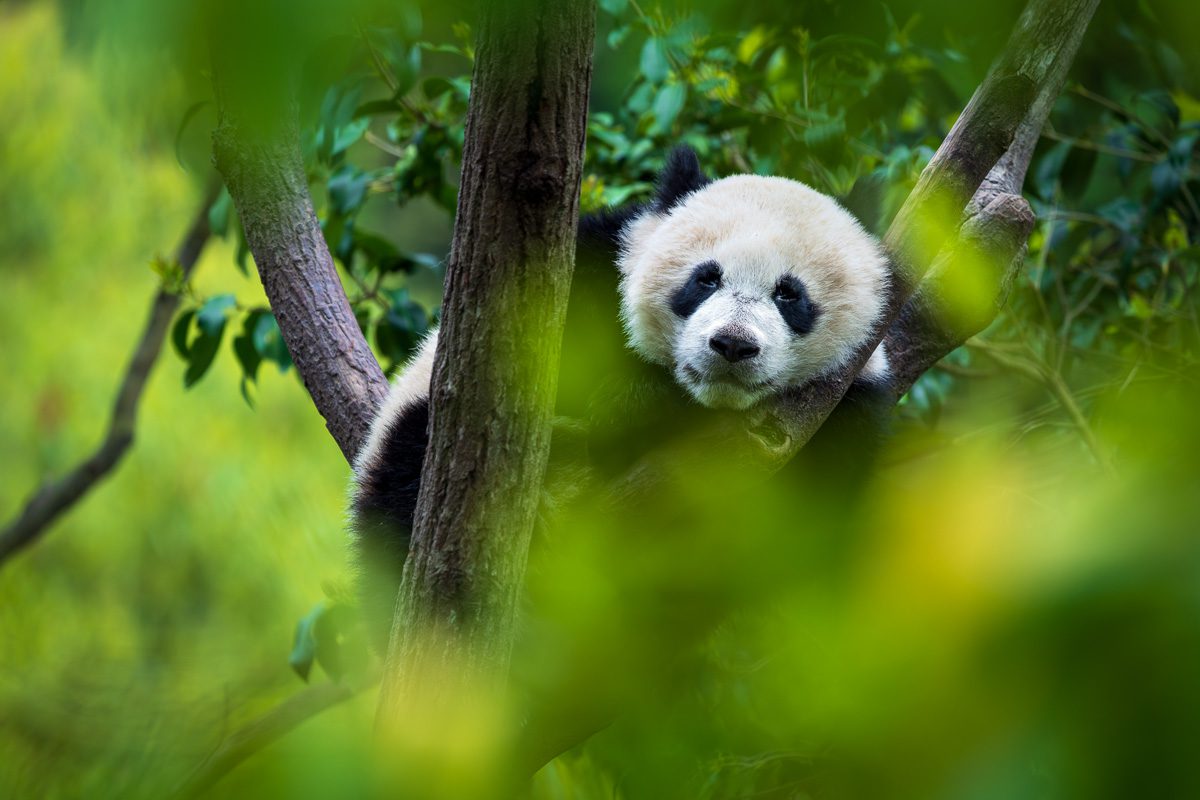
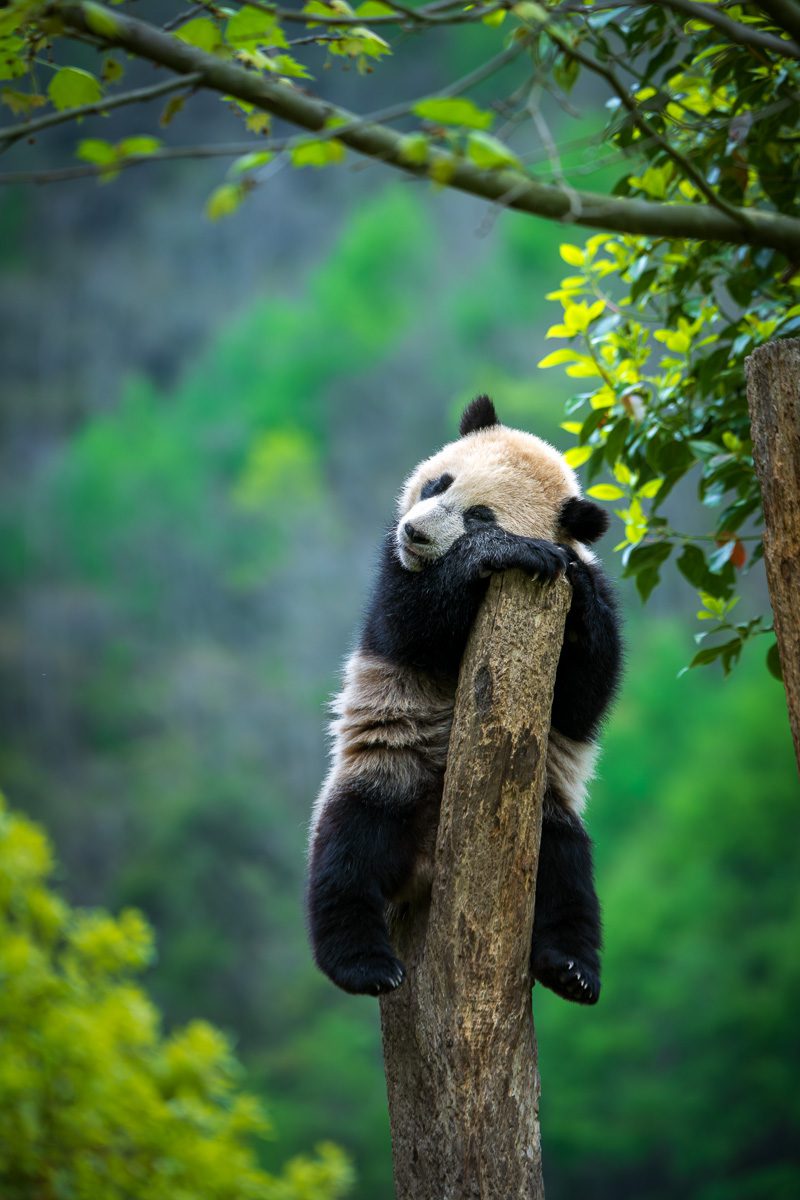
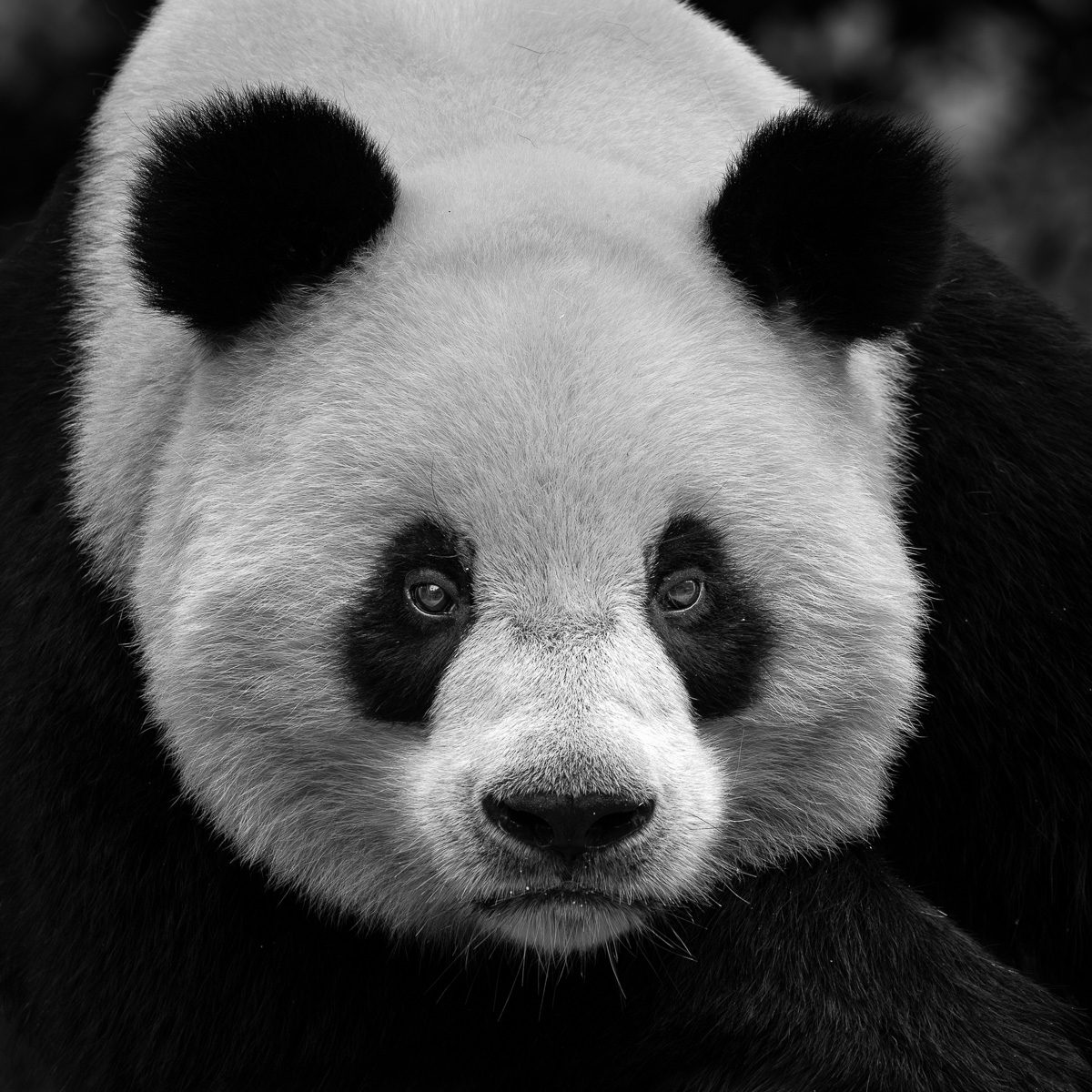
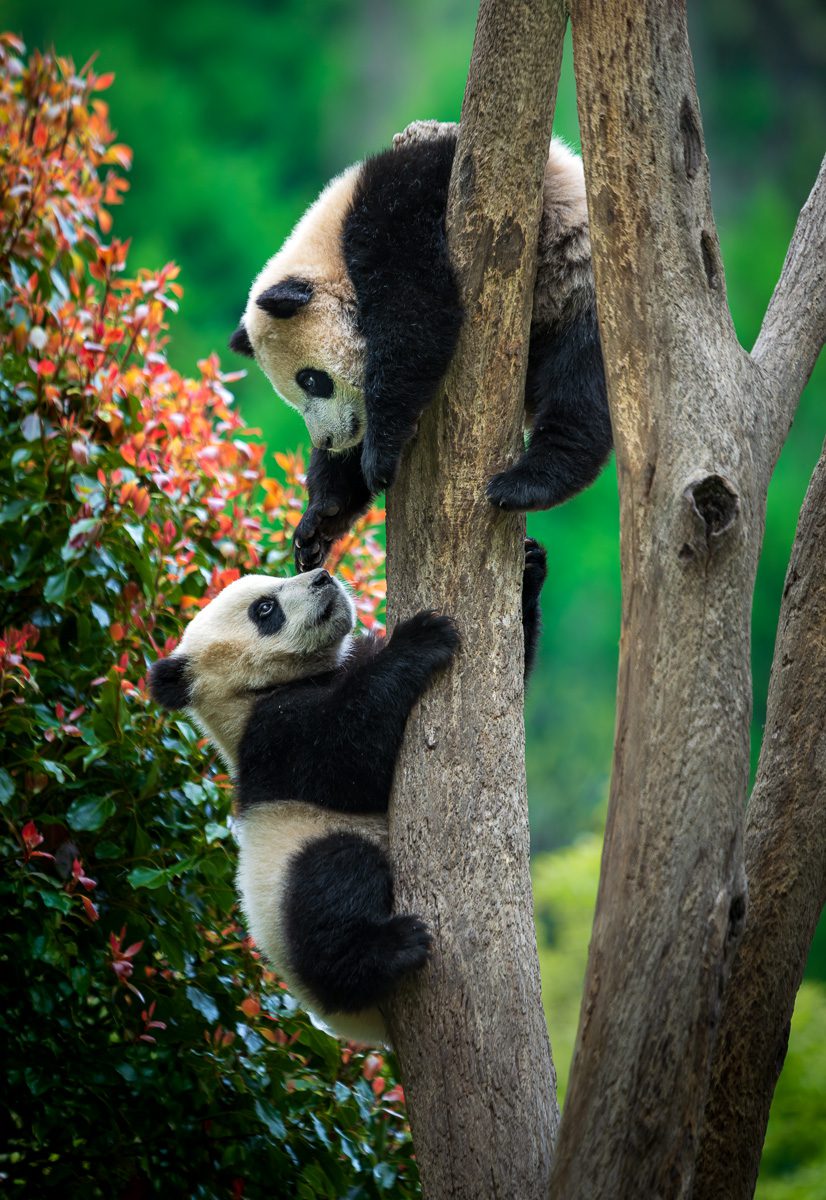
Let’s be honest: few animals can compete with the instant charm of a giant panda*.
They are absurdly cute. Their roly-poly bodies, oversized paws, expressive faces, and playful antics make them almost impossible not to love. One moment they are climbing with surprising determination. The next, they are tumbling, lounging, chewing bamboo, or looking straight into your lens with that unmistakable panda expression.
But pandas are more than just adorable. They are one of the great conservation stories of our time. By the 1970s and 1980s, giant pandas were endangered, with wild numbers falling to roughly 1,100 individuals. Habitat loss, fragmentation, and their slow reproductive rate made recovery especially difficult. Female pandas are fertile for only a few days each year and typically raise only a handful of cubs during their lifetime.
I still remember being five years old when China’s first major panda conservation campaigns were underway. During Chinese New Year, children traditionally receive red envelopes containing money from parents and relatives. In those years, children across the country were encouraged to donate their New Year money to support panda conservation efforts. As a child, I didn’t fully understand the scale of the challenge. Looking back now, I realize how remarkable it was that an entire generation grew up seeing panda conservation as a shared national responsibility.
What followed were decades of serious conservation work: habitat protection, scientific research, captive breeding, wildlife corridors, anti-poaching initiatives, nature reserves, and eventually the creation of Giant Panda national parks. Today, China has protected vast areas of panda habitat across Sichuan, Shaanxi, and Gansu Provinces. The results have been extraordinary. In 2016, the giant panda was officially downlisted from “Endangered” to “Vulnerable,” a rare and hopeful conservation milestone.
On this trip, photographing giant pandas is not just about capturing cute images. It is about seeing one of China’s most beloved animals in the country where generations of people have worked so hard to protect it.
And yes, they are still unbelievably cute.
*Will we photograph wild pandas? The simple answer is NO. Even with nearly 1,900 in the wild today, they occupy vast territories in steep, wet mountain terrain covered by dense bamboo forests. Wild pandas are naturally elusive, largely solitary, and unhabituated to people. Researchers can spend weeks in panda habitat without seeing one. While wild pandas certainly exist, the odds of reliably finding and photographing them are extremely low.
The Mythical Golden Monkeys
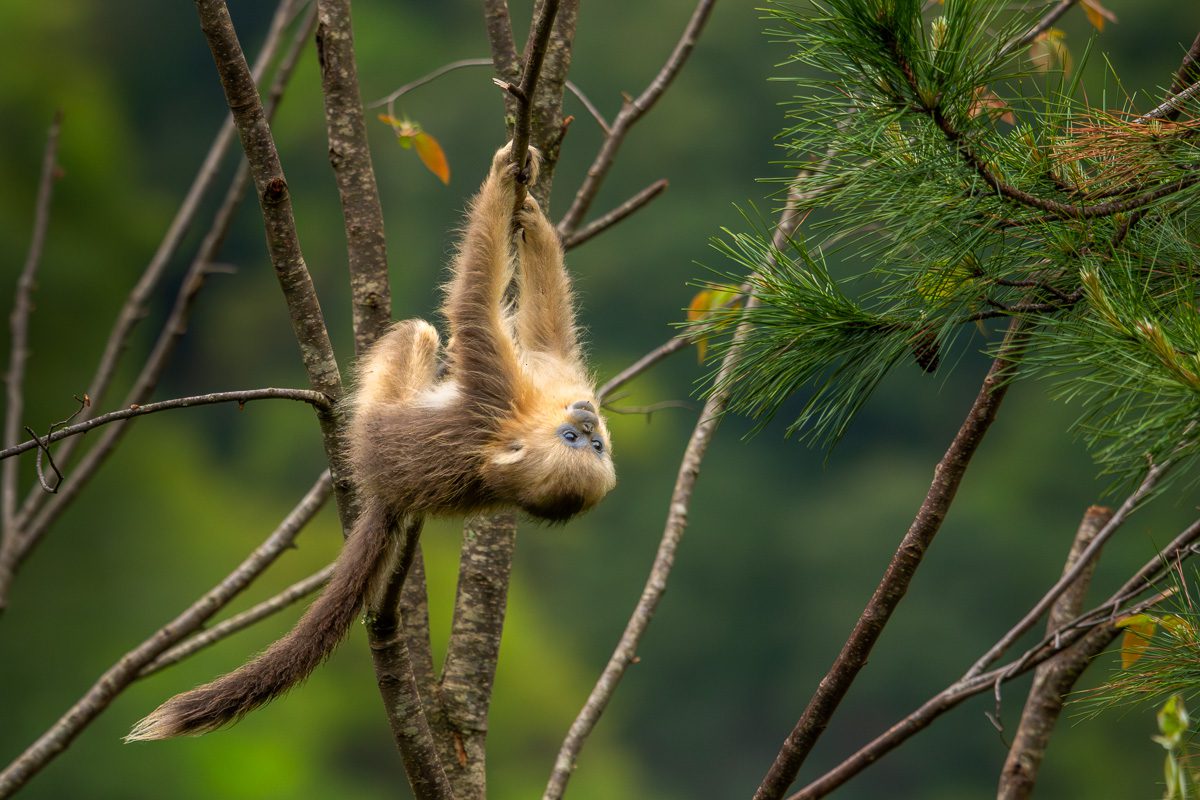
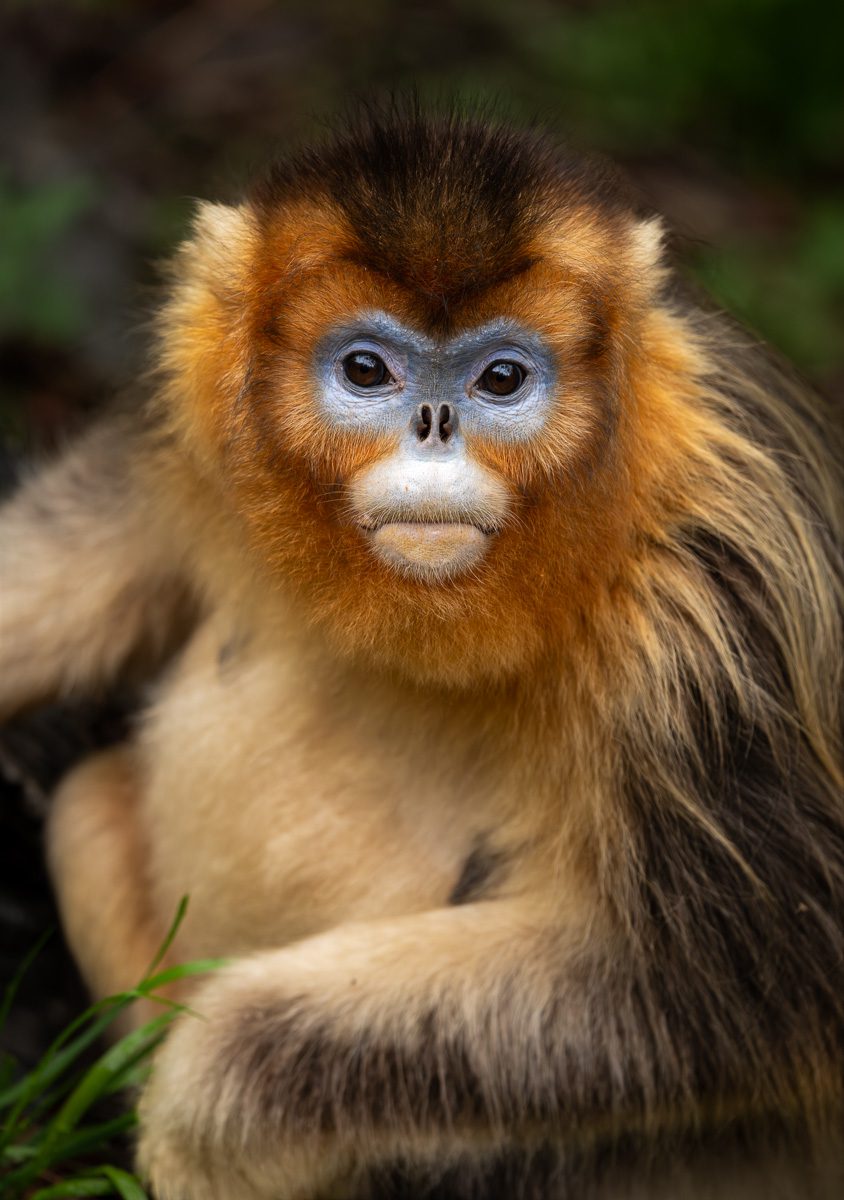
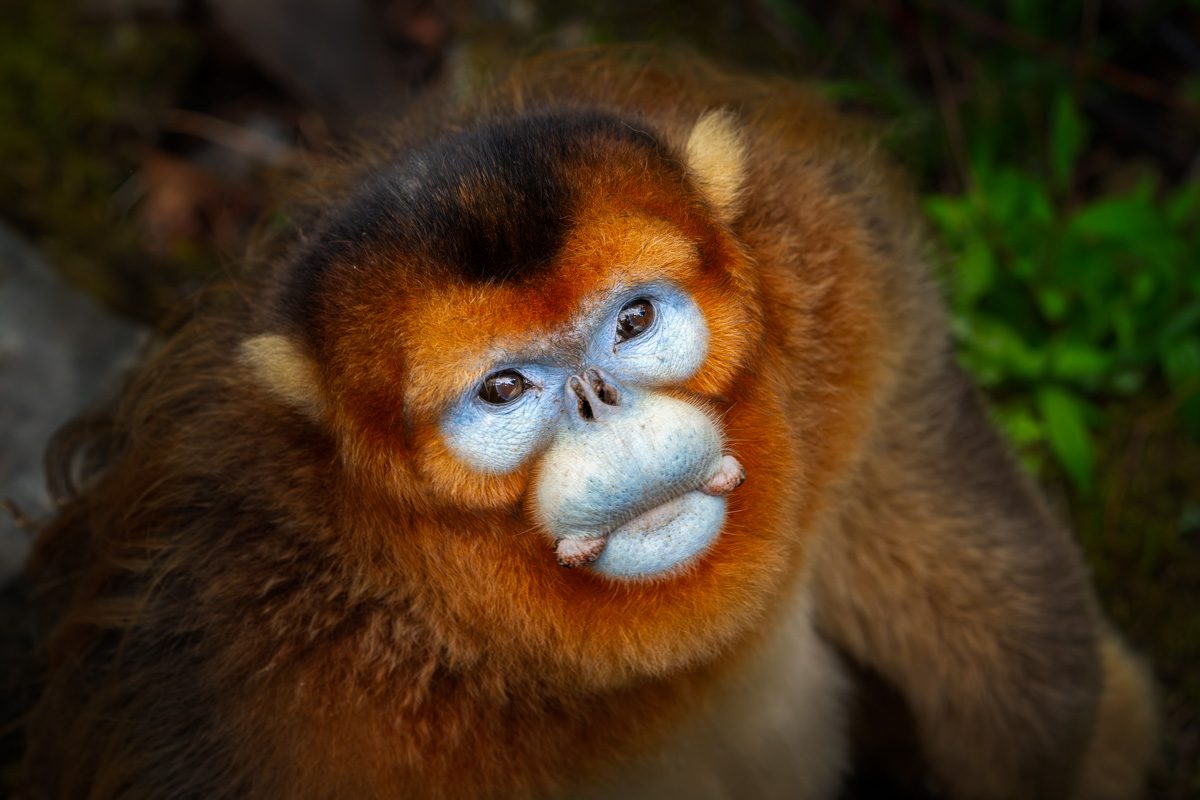
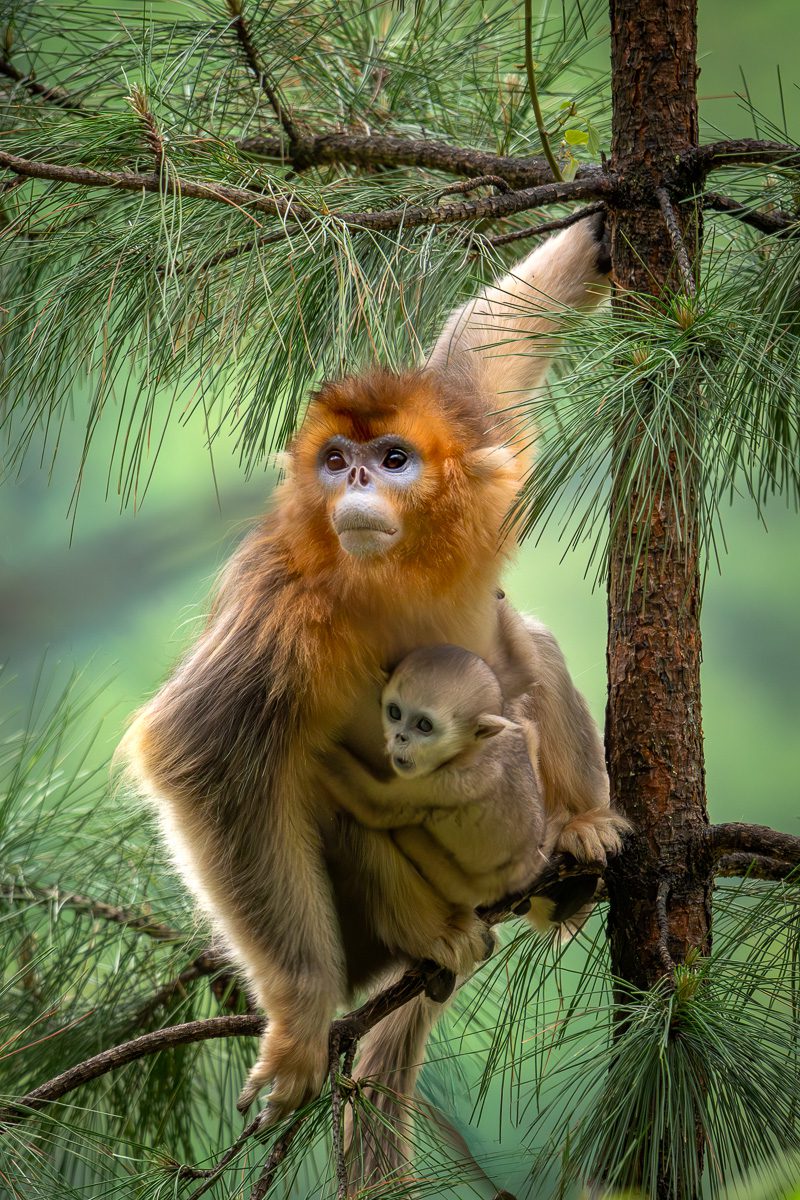
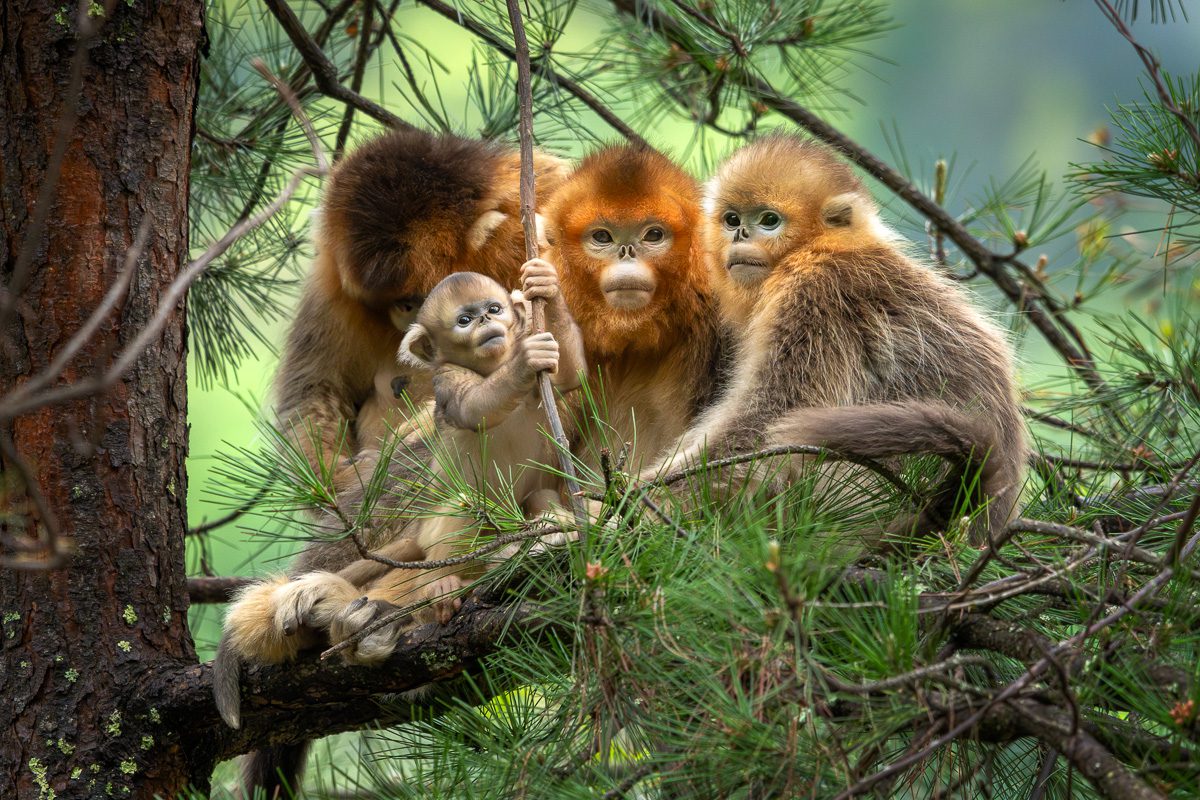
As wonderful as pandas are, golden snub-nosed monkeys may surprise you even more. With their golden coats, striking blue faces, soft expressions, and lively family interactions, they look almost mythical. In Chinese culture, golden monkeys are linked to the legendary Sun Wukong, the Monkey King from Journey to the West. First published in the 16th century, this beloved classic remains dear to generations of Chinese families.
For many of us who grew up with those stories, seeing golden monkeys in the mountains feels like stepping into a childhood legend.
Photographically, they are incredible subjects. Their striking appearances, dynamic social behavior, and beautiful mountain habitat create opportunities for everything from intimate portraits to storytelling images.
The Unexpected Stars: China’s Pheasants
While pandas and golden monkeys may grab the headlines, China’s pheasants are often the stars of the trip.
China is one of the world’s great centers of pheasant diversity, and this expedition is timed for peak breeding season, when the birds are most colorful and active. For wildlife photographers, this is where the trip becomes truly extraordinary.
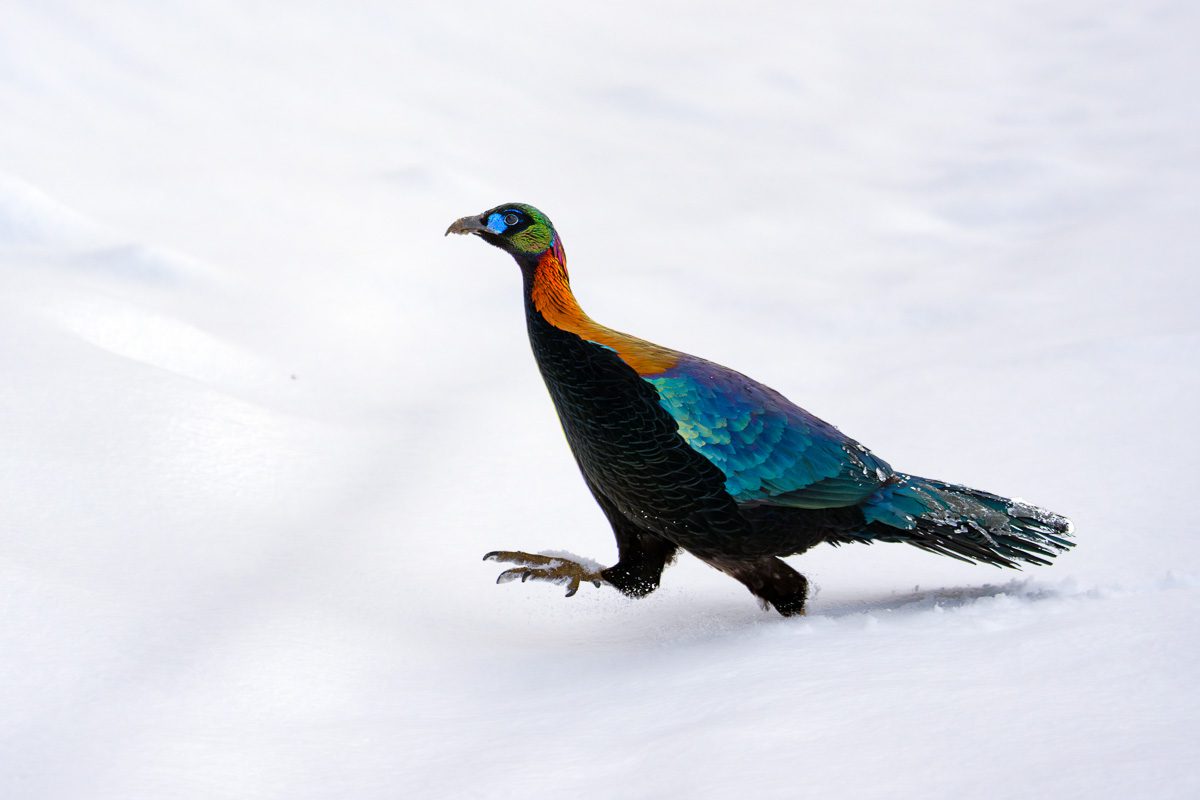
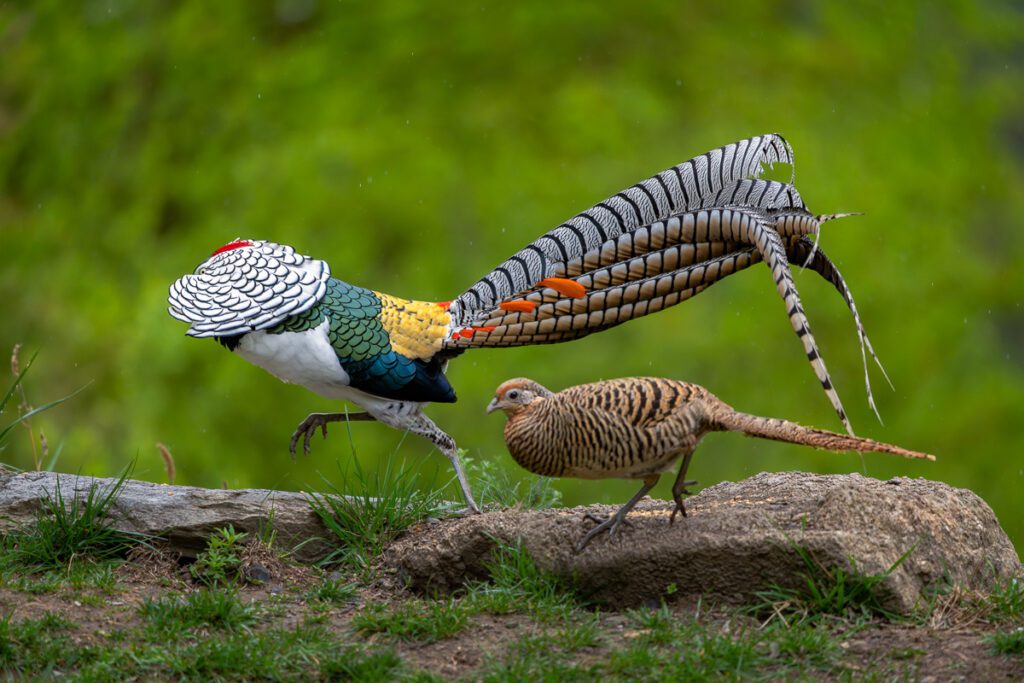
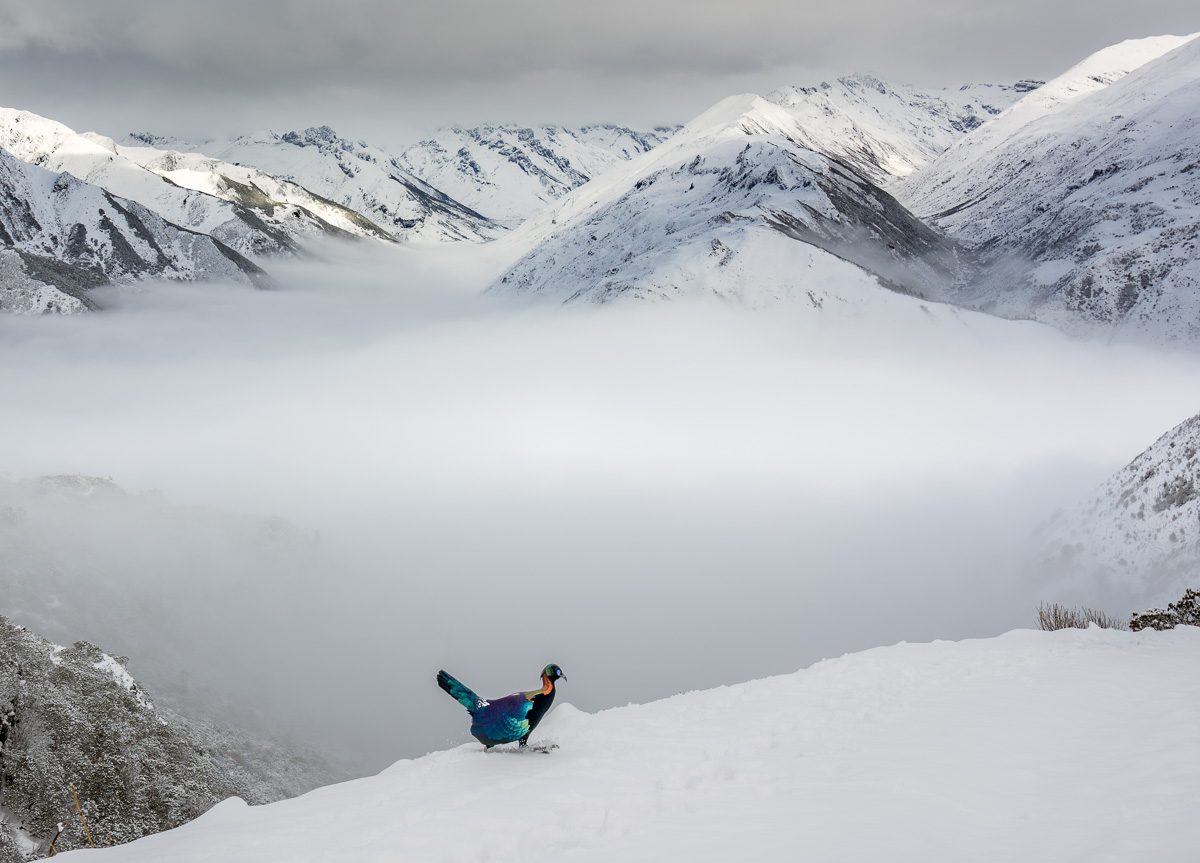
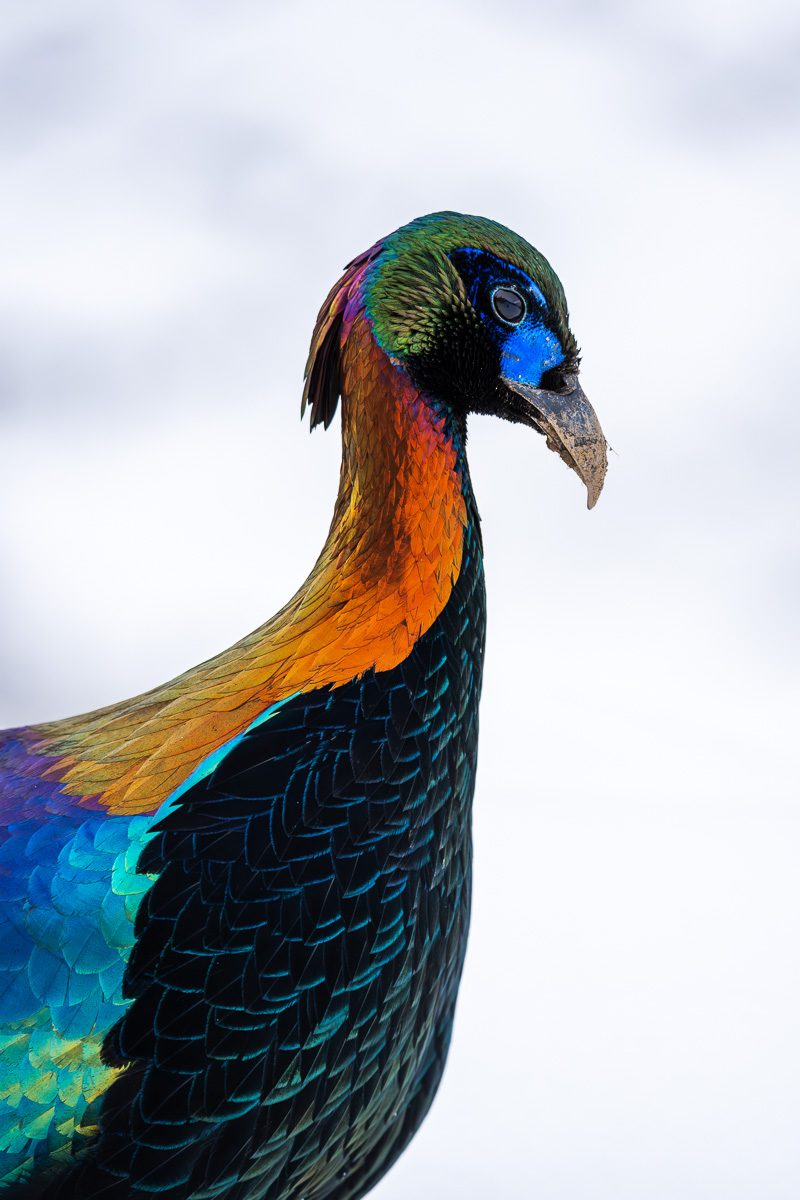
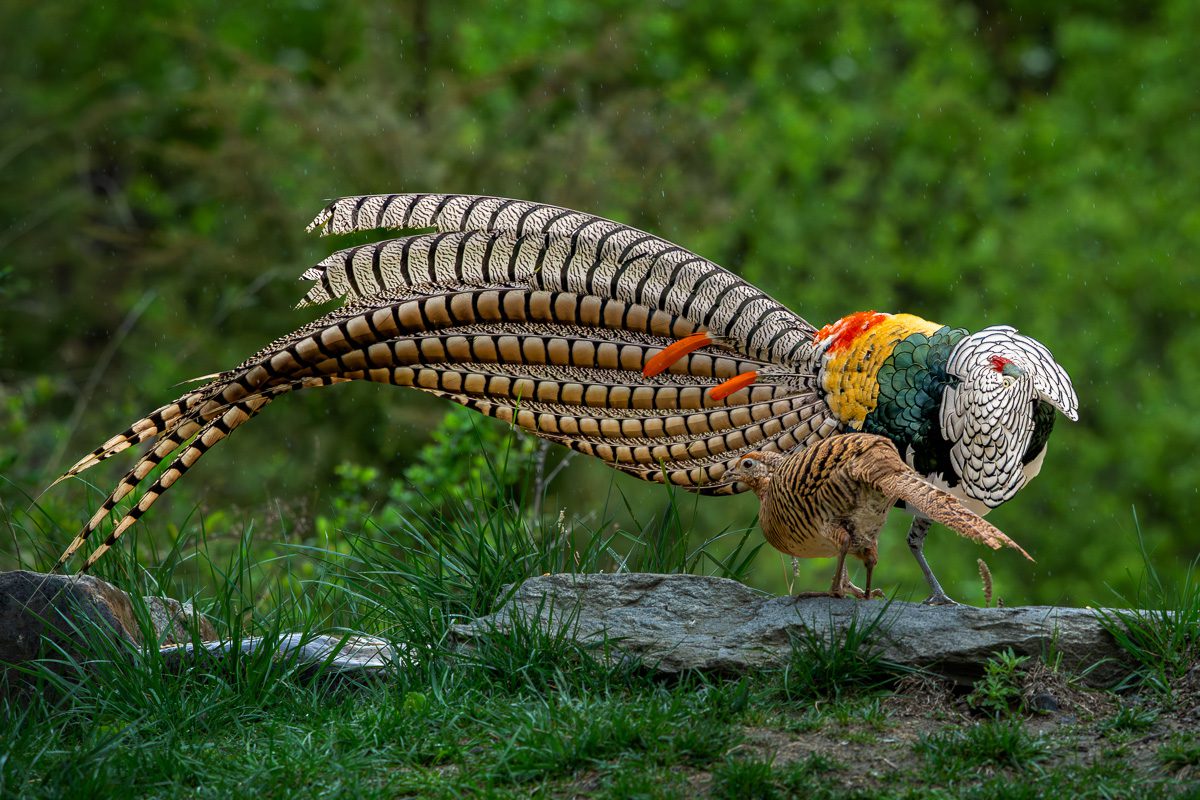
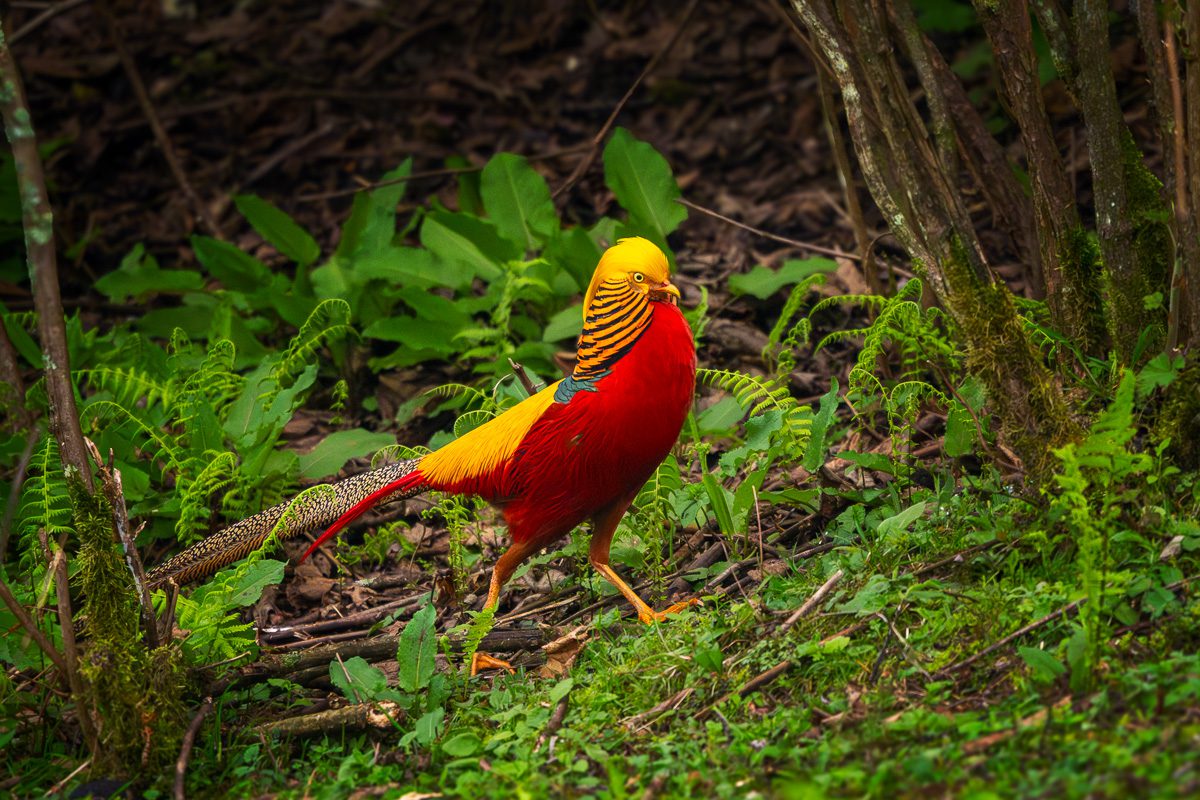
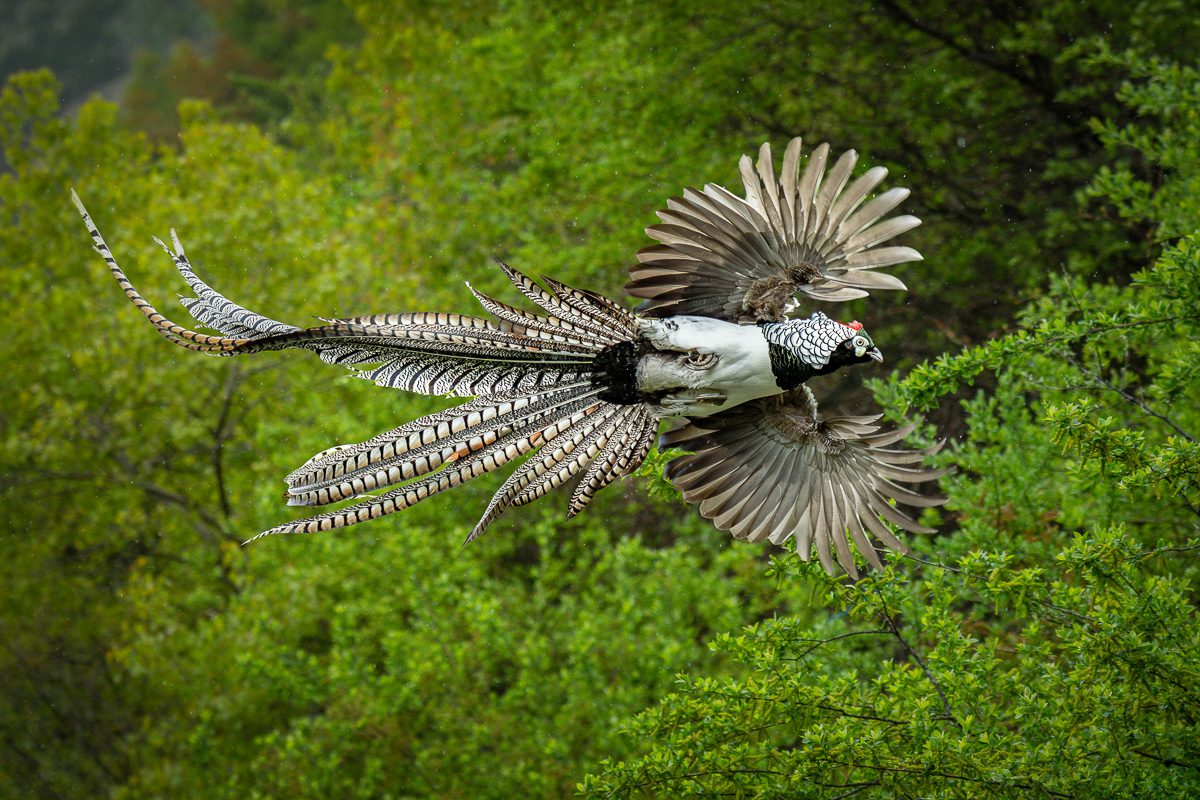
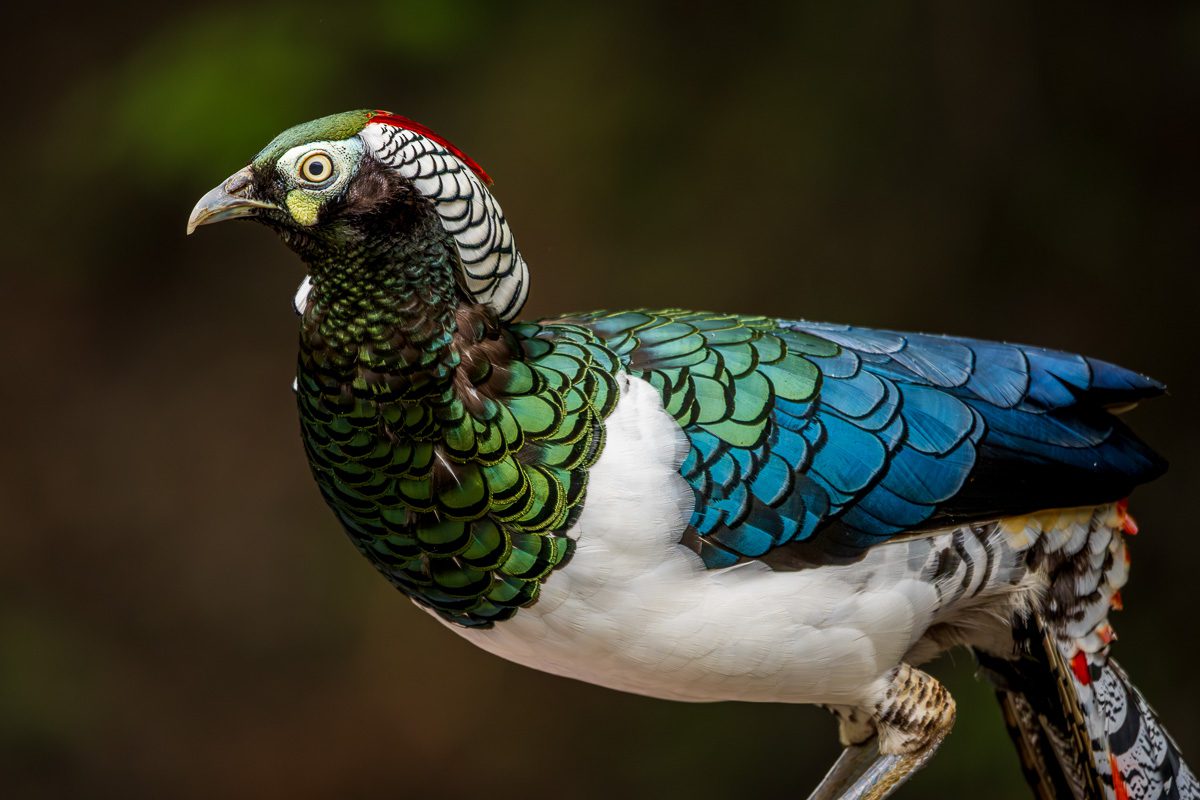
Golden Pheasants glow with fiery reds, golds, and oranges. Lady Amherst’s Pheasants display intricate patterns, metallic greens and blues, ornate capes, and impossibly long tails. Chinese Monals shimmer with an astonishing rainbow of iridescent colors. Temminck’s Tragopans look almost unreal, with scarlet plumage, white spots, and vivid blue wattles used in courtship displays.
And then there is the behavior.
During breeding season, these birds posture, display, chase, leap, and sometimes battle in dramatic encounters. A male pheasant in full display is not simply standing there looking pretty. He is performing, competing, and flashing every color and feather pattern he possesses. For photographers, that combination of color, motion, behavior, and rarity is hard to beat.
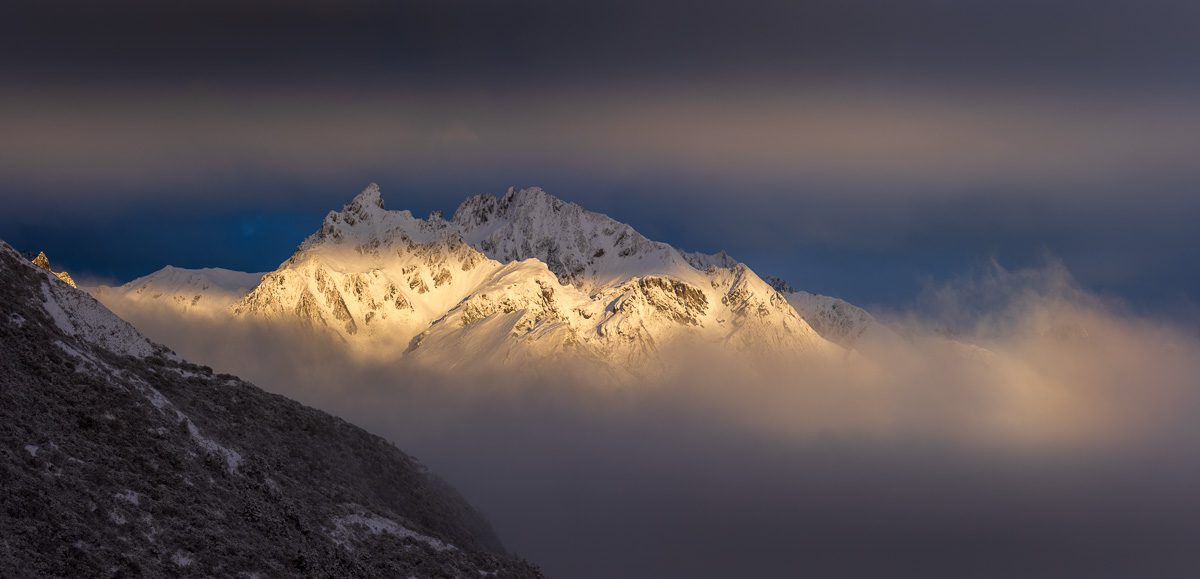
What makes this journey even more special is how the species change as we move through different elevations and habitats. High in the alpine mountains, we’ll search for Chinese Monals and Blood Pheasants against rugged backdrops and lingering snow. In subalpine forests, we may encounter Temminck’s Tragopans among moss-covered trees and rhododendron thickets. At lower elevations, Lady Amherst’s Pheasants and Golden Pheasants inhabit forest edges, bamboo groves, and mixed woodlands.
In just a few days, we move through alpine environments, temperate forests, and bamboo-covered hillsides. Few places on Earth offer such diversity of pheasant species within a relatively compact region.
A Trip of Contrasts
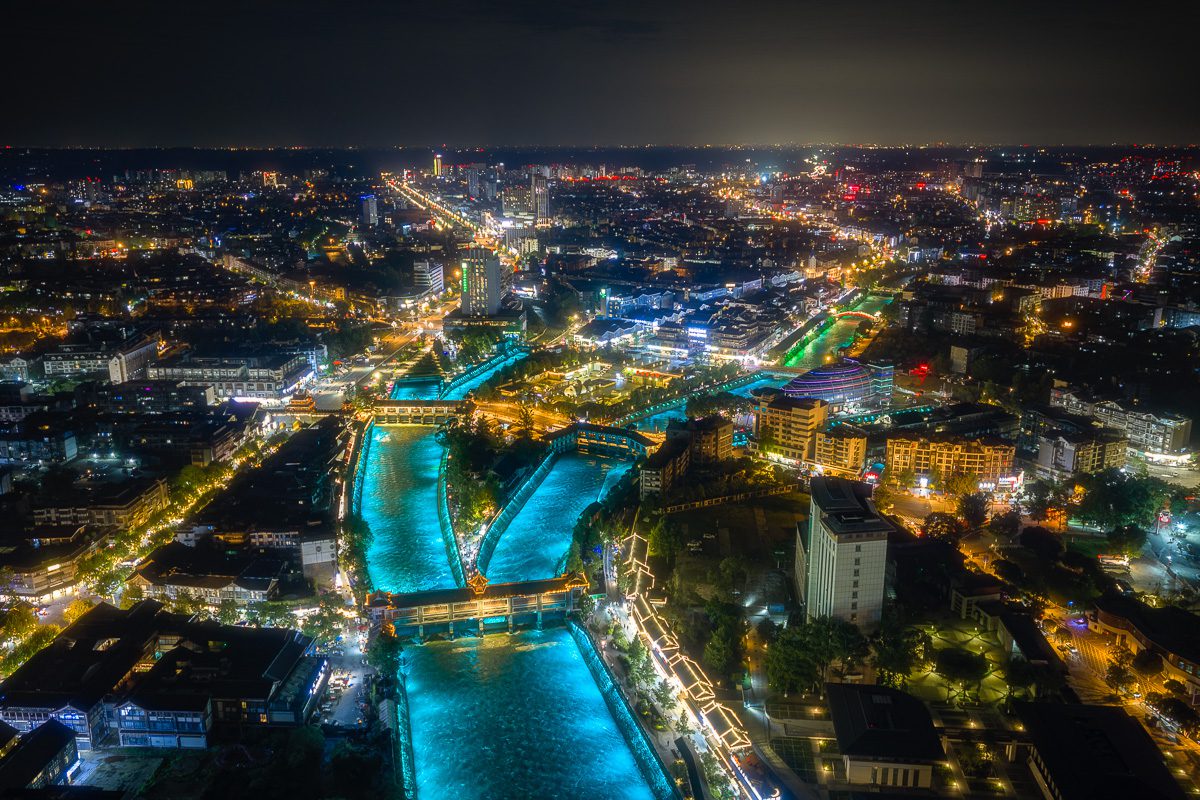
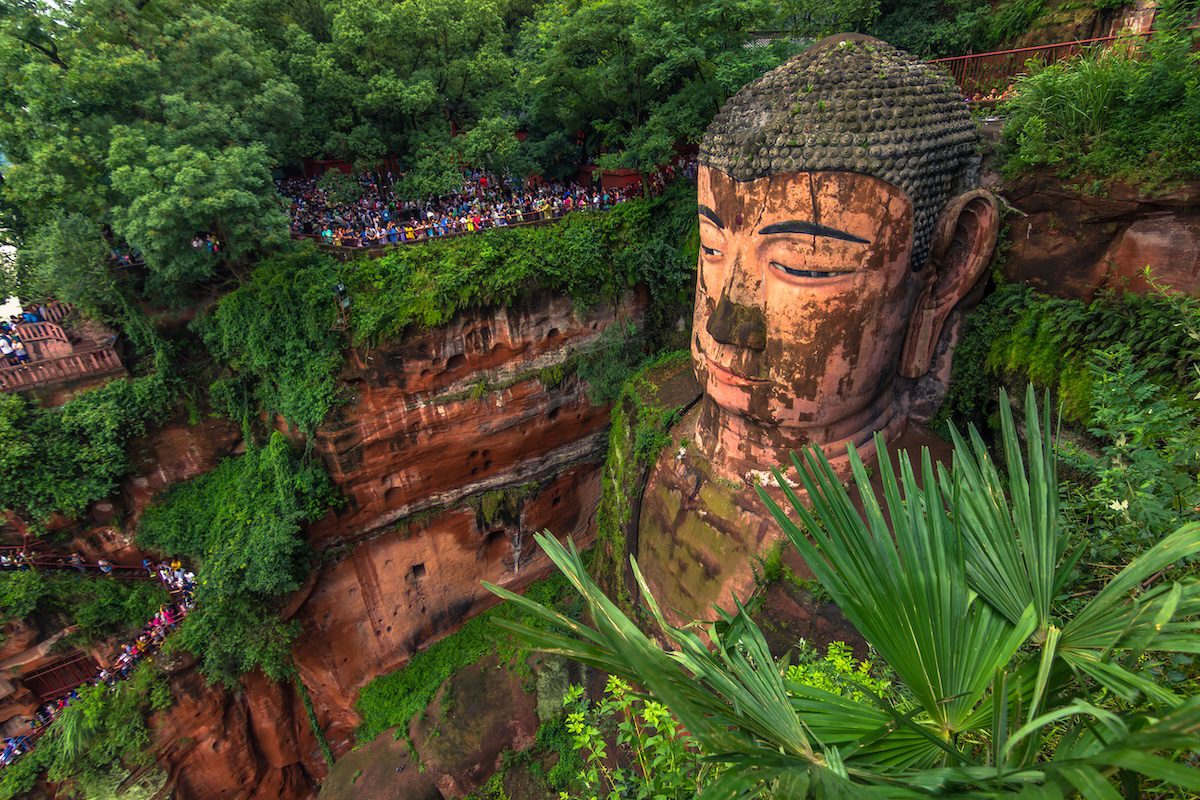
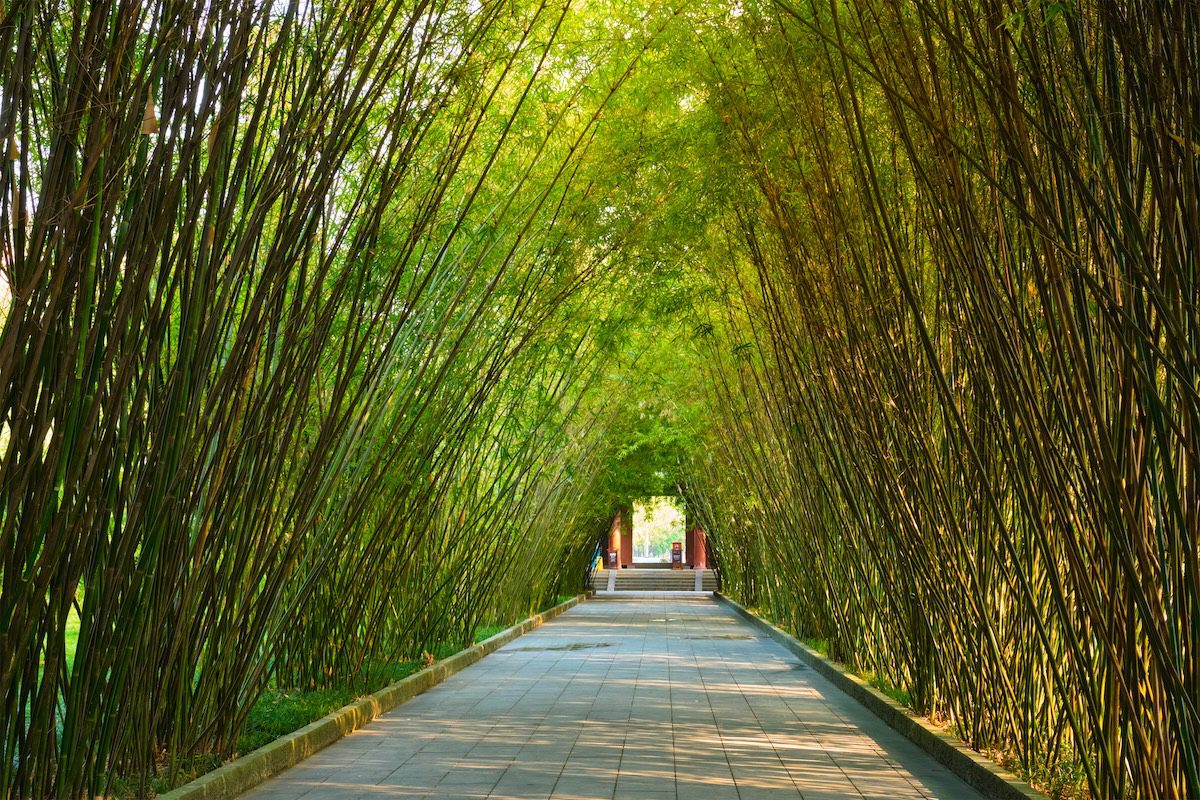
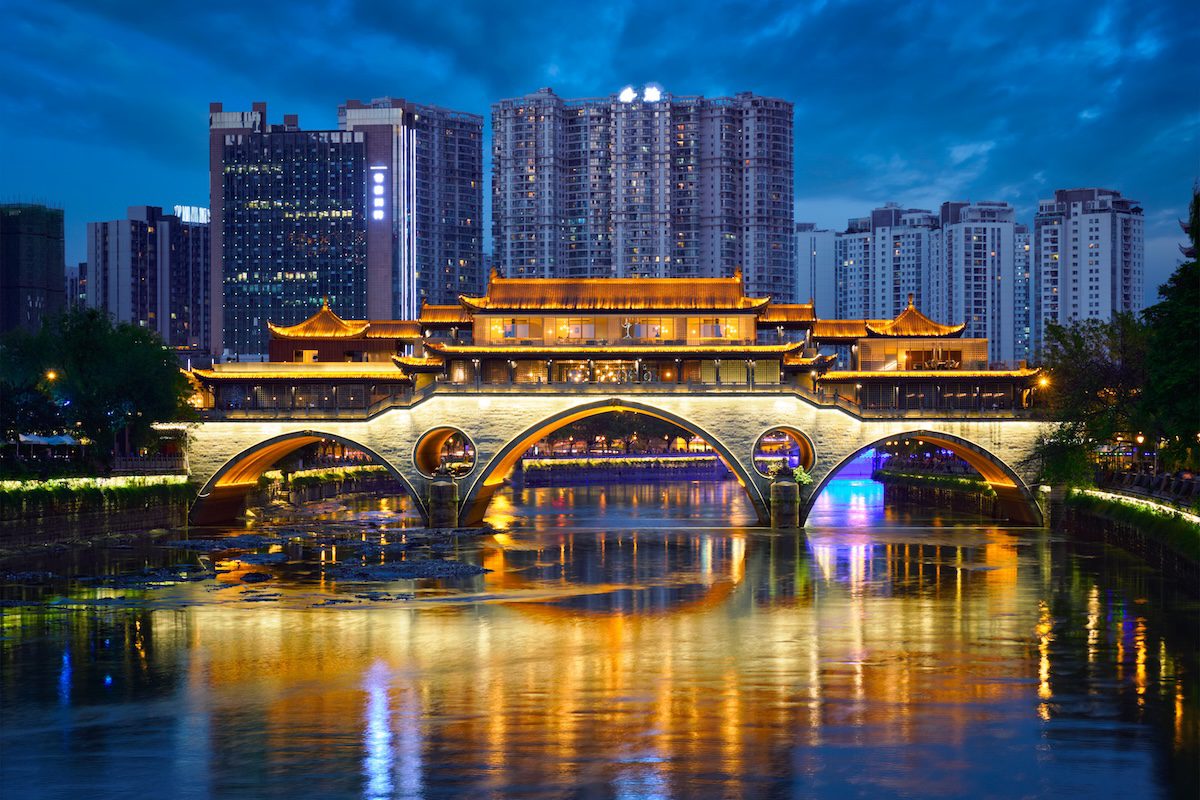
One of the things I love most about modern China is the contrast. On this expedition, we will travel through ancient temples, traditional courtyard homes, tea plantations, minority regions, mountain villages, bamboo forests, and wildlife reserves. Then we will step into Chengdu and Chongqing, with their illuminated bridges, elevated highways, futuristic skylines, and dramatic urban design.
This is not a country that fits into one simple image. It is old and new. Wild and urban. Cultural and natural. Quiet and explosive. Familiar and completely unexpected. That contrast is part of what makes China so visually powerful.
For photographers, this variety is a gift.
Why We Built This Trip
At Action Photo Tours, we are always looking to design workshops where we can add real value — not just by taking people somewhere beautiful, but by creating an experience that would be difficult to replicate on your own.
Wild China is one of those trips.
The wildlife locations are spread across a vast region. Timing is critical. Local knowledge, access, transportation, permits, bird hides, guides, and flexibility all matter. We built this workshop to bring those pieces together: thoughtful planning, exceptional wildlife opportunities, cultural immersion, and expert photography instruction.
This is not just a China trip. It is Wild China.
It is giant pandas and golden monkeys. Rare pheasants on display in misty mountain forests. Ancient tea traditions and vibrant minority cultures. Quiet temples, dramatic landscapes, and futuristic city skylines. It is a side of China that remains largely hidden from international travelers, yet offers some of the richest photographic opportunities anywhere in the world.
For me personally, this is a chance to share the China I know and love — the wild, colorful, living China beyond the usual routes.